
Introducing the latest myCWT product and service enhancements
Building on our digital, omnichannel myCWT platform, our new products and services will simplify travel management for you and your employees – anytime, anywhere, anyhow.
Note: Featured services may not be available in your country at this time. Please reach out to your CWT representative for more details.
Hear from Chief Product Officer, Erica Antony as she shares the key product highlights of 2024, along with the key areas driving innovation.
-
2040: Baseline, Boom or Bust
As we enter an era of rapid transformation and unprecedented challenges, it is essential for travel managers, meeting & event planners, and corporate decision-makers to look ahead and frame our current strategic thinking with a clear vision of the future. Business travel and meetings and events (M&E) are poised for significant change over the next decade and a half, driven by a complex interplay of sustainability goals, technological advancements, evolving work models, and geopolitical dynamics.
In this paper to mark the 10th anniversary of our Global Business Travel Forecast, we explore, for the first time, a long-term vision of the future and potential trajectories through three distinct scenarios, each offering insights into how these forces should affect policy-making, budgeting and priorities. By examining these scenarios, we can better understand the diverse possibilities that lie ahead and the strategic imperatives required to thrive in each potential future.
Based on trajectory data analysis and interviews with industry leaders, behaviorists and climate tech founders, this forward-looking approach enables us to anticipate changes, strengthen our strategies, and make informed decisions that align long-term objectives. It is through this lens of foresight and adaptability that we can build resilience, seize opportunities, and navigate the complexities of the future.
We invite you to reflect on the insights presented, and consider how your organization can prepare for the opportunities and challenges that lie ahead. Together we can ensure that travel and meetings remain catalysts for growth, scalability and sustainable practices.
- Scenario development is both an art and a science
- Megatrends Shaping the Future of Business Travel, Meetings and Events
- Sustainability goals the new crux of corporate policy
- Technology Revolutionizes Travel Management
- Modern work models spark new travel patterns
- Changing demographics open doors to new opportunities
- Three Scenarios: Base case, boom and bust
- Future-proofing strategies

-
CWT GBTA Global business travel forecast 2025
When it comes to pricing, global business travel has finally reached an enduring, higher baseline. Prices will continue to rise in 2025, but only moderately, so expect a period of normalized growth.
However, this pricing environment, one of marginal gains and price regularity, is fragile. Global leisure travel has now realized a lot of its pent-up demand, while corporate travel has been resurgent, with 2024 edging at preCovid levels.
There are many factors at play, whether its volatile oil prices, labor costs and constraints, inflationary pressures, and geopolitical factors. As this elevated baseline edges upwards, albeit marginally, travel budgets will come under increased scrutiny, especially as travel patterns and attitudes change.
It’s why business travel can’t be viewed in a silo, and the true value to an organization must be fully realized. This forecast can help with those calculations.
-

Capitalize on emerging technologies in corporate travel
Technological advancements are accelerating at an unprecedented pace. How will emerging innovations like Generative AI, blockchain, and self-sovereign identity (SSI) transform corporate travel?
BTN and CWT probed global CEOs, travel managers, industry consultants and tech experts on the promises, questions, and expectations these innovations raise and how they are set to reshape traveler experience, cost control and service delivery in corporate travel and events.
Download and discover
- The technologies that will have the greatest impact on corporate travel in the next 2-5 years
- How these emerging technologies are poised to control costs, enhance service and security, and boost efficiency
- The critical challenges, opportunities, risks and roadblocks each innovation raises
- What travel managers, buyers and experts anticipate from these innovations
-

What’s ahead for the Global Business Travel Forecast
For the past eight years, CWT has partnered with GBTA to release an annual pricing forecast and analysis for the global business travel industry. With every report, our mutual mission has been to provide expertly curated data and insights to inform and empower our industry and professionals to better understand, anticipate and adapt to the economic and business travel landscape ahead.
This year’s forecast proved to be an especially dynamic one, to say the least.
At the beginning of the year, the early outlook was that the impacts of the pandemic were waning, global travel restrictions were lifting, and business travelers were getting back out on the road and in the air. But new headwinds pushed into the headlines and our industry – from new variants to global conflicts, from rising inflation to supply chain and talent shortages, and more. And those headwinds are evident in this year’s pricing analysis.
What’s outlined in the Global Business Travel Forecast 2023 – considered alongside what we’re seeing in early analysis from GBTA’s latest upcoming Business Travel Index™ – show more challenges may be ahead on the road to recovery for the industry. We trust that now more than ever, this data and analysis will benefit business travel professionals who find themselves having to navigate new, and maybe even unprecedented, considerations in the present and into the coming year for their travel programs, policies, and travelers.
Will you be at the GBTA Convention 2022, August 14-17 in San Diego?
-

Planes, trains or automobiles – Getting today’s travelers from A to B and back again
Despite the clear excitement we’re experiencing during the return to travel, things haven’t gone as smoothly as planned. Travelers are facing more disruptions than ever before, especially when it comes to flights. Whilst things certainly seem to be in full swing, the impact of the pandemic are still being felt industry wide.
In many ways, it is a perfect storm. Long-term effects have led to ongoing issues such as staffing shortages, increased flight delays and cancelations and lost bags. Some airports have even been forced to limit departures to cope with the influx of travelers. Not to mention an increased awareness and drive for a more sustainable way to travel.
For those looking to hire a car, this industry has faced similar difficulties with a shortage of vehicles and the rising cost of fuel.
In a recent CWT customer survey, 93% of respondents rated the trip experience as an important driver in their travel program.
So, what option does this leave today’s travelers? It’s often said that there’s no school like the old school, and perhaps that’s exactly what’s needed today when it comes to travel options. Perhaps it’s time to consider taking a train instead of a plane for your next trip.
- The rail industry is facing disruption, but has fewer cancelations than the airlines, giving you peace of mind when making a booking
- The luggage situation is much easier to manage. There are fewer limitations which removes the stress of packing, and your bag travels with you which means it won’t go missing
- If you’re traveling for business, there is more space and often wi-fi which means you can be more productive and stay on track with your work
- Train travel is also kinder to the environment and remains overall the most environmentally friendly mode of motorised passenger transport in Europe
We’re making it easier for travelers to book train travel. In addition to booking via a CWT counselor, we are launching train booking within the myCWT mobile app for UK travelers, with key European markets in the coming months.
So, for your next trip, consider a simple, seamless and more sustainable way to travel. Remain sane and where feasible, consider a train over a plane.
-

Eurovision song contest
Brief
- Eurovision host broadcaster, Rai Italia, invited CWT Meetings & Events to respond to competitive RFP with two-week turnaround time
- The event was awarded to CWT Meetings & Events with 6 months’ turnaround time
- Demonstrated expertise operating similar events and a competitive financial offer were the reasons for choosing CWT Meetings & Events
- Awarded services: venue sourcing, negotiating, contracting and payment processing and accommodation management
- We used a new proprietary technology to manage unique large-scale events, such as FIS Ski Championships and Volleyball Nations League consolidated payment strategy to optimize cash flow, drive efficiencies and integrate data
Solution
- Team of 14 CWT staff with specific expertise ranging from meeting planners to senior leaders
- After initial award of hotel program, selected to manage logistics/transportation plan and social program
- Developed comprehensive hotel strategy and negotiation to secure room blocks and affordable rates as rooms were not pre-blocked at official host hotels and event success depended on confirmed bookings
- Created unique social programs to promote event as well as area activities, restaurants and historical sites
- Managed health and safety rules using more transportation vehicles for additional space; due to the pandemic, transportation plan finalized night before first show
Result
- Successfully managed more than 10,400 room nights encompassing more than 1,170 rooms for nearly 1,400 attendees from 40 countries over 2 months
- Received consistent positive feedback on last minute contingencies and requests
- Coordinated 800 bus shuttles and private cars on 52 different routes
- Managed more than 100 social programs
- Supported largest watched music event of 2022 with over 5.1M live streams to a 4.6 rating on a scale of 5
- Received positive attendee feedback
-
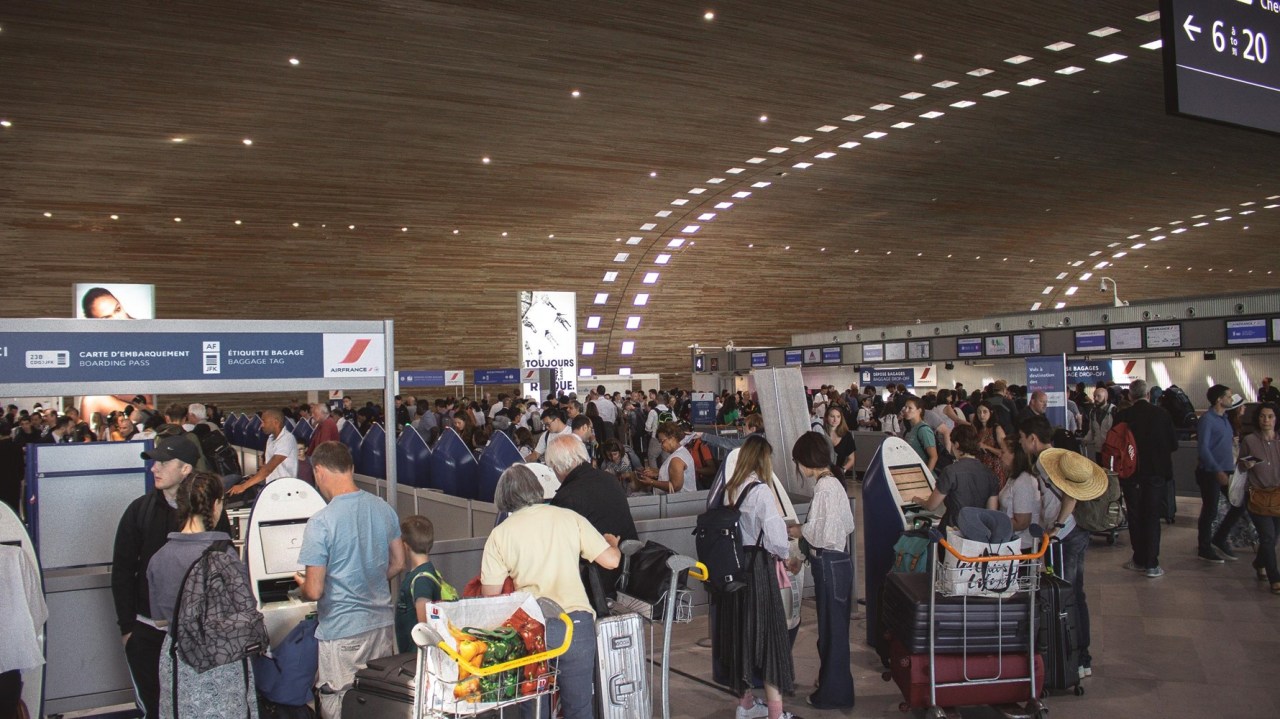
Breaking down the Barriers of Travel with Biometrics
As we celebrate 150 years in travel, we’re exploring new technology, its use in travel and how CWT is preparing for this. In this episode, we’re exploring biometrics.
Biometrics are the measurement and statistical analysis of people’s unique physical and behavioral characteristics.
Biometric identifiers fall into two categories:
- Physiological characteristics relate to aspects of the body. Examples include fingerprints, veins, facial recognition, DNA, palm prints and iris recognition
- Behavioral characteristics relate to the pattern of person’s behavior, including to walking gait, signature, behavioral profiling, and voice. The behavioral biometrics are sometimes referred to as ‘behaviometrics’.
- The technology, mainly used for identification and access control, is already used in relation to travel.
- Some border agencies collect fingerprints as part of their identifying a new arrival.
- In 2021, Emirates launched a biometric path at Dubai airport, which reduces the number of contact points for identification as a traveler navigates the boarding of their flight.
- According to the US Transportation Security Administration (TSA) website, TSA began testing the use of biometrics to identify passengers at the checkpoint in recent years and we continue to evaluate the use of proven and emerging solutions to further understand operational impact, security gains, and policy implications.
There are however some concerns about the collection and privacy of our unique identifiers and the ultimate use of these records. At least at this time, these concerns do not appear to be limiting the increasing use of biometrics in travel.
CWT provides a single, global travel profile that stores traveling employee data such as travel documents, preferences including seat preference and special diet needs. This lays the foundation for storing elements relevant to use of biometrics based barriers.
To find out more visit our website.
-
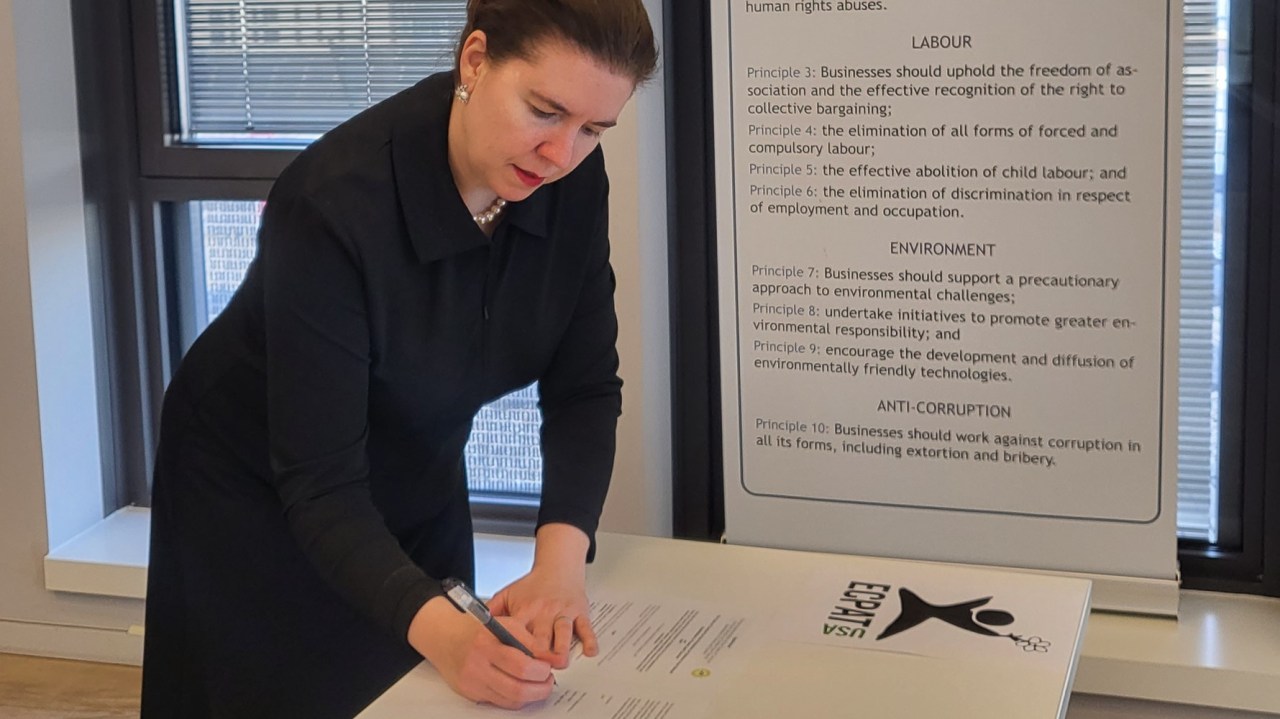
CWT signs ECPAT’s Code of Conduct for the Protection of Children in Travel and Tourism
Ahead of World Day Against Trafficking in Persons, CWT, the business-to-business-for-employees (B2B4E) travel management platform, is proud to sign The Code of Conduct for the Protection of Children from Sexual Exploitation in Travel and Tourism (The Code). The Code is a partnership initiative between the travel and tourism sector and ECPAT, a global non-profit organization working to protect children from trafficking, sexual exploitation, and online abuse. By becoming a member of The Code, travel and tourism companies gain access to tools and resources to use in their daily operations.
CWT is an active and longstanding supporter in the fight against human trafficking, dedicated to The Code’s efforts to raise awareness externally, engage employees internally, develop more effective policies, research, and build tools against human trafficking and child sexual exploitation.
“Every child in the world has the right to grow up free from the fear of exploitation and have a decent and safe life. It is paramount that we all stay vigilant, and hopefully businesses like ours can help make that a reality”, says Lauren Aste, Executive Vice President & Chief Legal Officer. “Signing The Code from ECPAT marks CWT’s continuous commitment and leadership to keeping children safe anywhere around the world.”
“ECPAT-USA is thrilled that CWT remains a steadfast ambassador and partner of The Code, lending its unwavering support to our child protection programs in truly meaningful ways. We thank CWT for its continued leadership in the anti-trafficking movement,” said Yvonne Chen, Director of Private Sector Engagement, ECPAT-USA.
By signing The Code, CWT has committed to uphold the six criteria of The Code, including establishing policies and procedures, training employees, implementing contractual clauses, providing information to travelers and engaging with stakeholders on prevention and annually reporting on all related activities.
CWT is a leading global partner in business travel, meetings, and events. Operating across six continents, we deliver sustainable, tailored solutions that help organizations connect, engage, and thrive in an evolving world. Our myCWT platform integrates advanced technology with human expertise to simplify travel and enhance traveler and attendee experiences. Extensive global coverage, seamless data integration, AI-driven analytics, and carbon-conscious travel tools enable businesses to optimize their travel and meetings programs while delivering measurable value.
With 150 years of industry experience and a deep commitment to partnership, CWT collaborates with clients to shape the future of business travel and events, making them more efficient, responsible, and impactful.
ECPAT-USA is the leading anti-child trafficking organization in the United States seeking to end the commercial sexual exploitation of children through awareness, advocacy, policy, and legislation. ECPAT-USA is a member of ECPAT International, a network of organizations in 104 countries with one common mission: to eliminate the sexual exploitation and trafficking of children around the world.
-

How the pandemic affected human trafficking, and how you can help
Walk through any airport or drive past any hotel, and it’s easy to see that travel is back in full swing. But with that comes an unfortunate truth: human trafficking continues to be one of the greatest issues the travel industry faces.
Many may assume that during the height of the pandemic, human trafficking decreased. But, research has shown that in times of crisis, including during the COVID-19 pandemic, trafficking and exploitation increased dramatically. While it felt like everything around us was changing, the risks to children remained.
Luckily, there are many ways travel professionals and business travelers can prevent and combat human trafficking. As you pack for your next convention or business trip, it’s important to remember that you have a unique opportunity to prevent exploitation at all stages of your trip.
First, it is imperative that a company include a basic policy against human trafficking in its employee handbook. Beyond that, companies should also consider how these policies and values can be communicated externally. For example, when booking or during the RFP process, you can include a clause in any contract that informs partners about the company’s anti-human trafficking and child exploitation policies and sets a zero-tolerance tone for suppliers.
When traveling, make sure to take a minute and notice the things around you. When we’re rushing to the airport or running to catch a connecting flight, we’re often in our world and miss the opportunity to spot a potential sign of human trafficking.
It’s important to note that trafficking indicators often overlap and that encountering any one of them isn’t necessarily proof of exploitation. Human trafficking often occurs within a cycle of abuse and control, so you should look for signs of a controlling interaction. It could be a gesture or look from the trafficker that provokes fear. You may hear threats or insults. You might also see signs of physical abuse. Our anti-trafficking training for travel professionals, available for free on our site, includes more information about potential indicators of exploitation.
If you see an instance that you suspect may be trafficking, do not intervene directly. Doing so may end up causing more harm than good. The best thing you can do is report the incident, with as many details as you can recall, to a manager, security guard, or national hotline. (In the U.S., you can reach the National Trafficking Hotline at 1 (888) 373-7888.)
Additionally, if your company is committed to taking a leadership role in ending trafficking, our program, The Code, is regarded as the gold standard for socially responsible businesses. The Code gives companies the information, tools, and support they need to ensure the prevention of child sexual exploitation and trafficking as a top priority. The Code has been adopted by leading companies in various industries throughout the U.S. and globally, including CWT.
As a longstanding partner of those in the travel and tourism sector, ECPAT-USA is excited to have the opportunity to once again meet with industry leaders in person and work with professionals to adapt our resources to the changing landscape of the industry. Together, we can protect all children from human trafficking and exploitation.
-

Can we all sit under the same umbrella on the strategic meetings management journey?
Can we all sit under the same umbrella? Why the creative side of the house (Event Designers, Brand Managers and Marketing) should be sitting with other stakeholders on the SMM journey
Every article, consultant or third-party event management company will tell you that the success and failure of Strategic Meetings Management (SMM) is pinned on the effectiveness of stakeholder engagement. In an effort to drive engagement and adoption, companies are often provided overly complex process documents and diagrams that map stakeholders as executives, meeting planners, attendees, legal, finance and of course procurement. However, often missing from these lists are the people tied closest to the business objectives of the actual meetings; event designers, brand managers, marketing and sales leadership.
Can and should these stakeholders sit under the same umbrella?
Yes, yes, yes. But, before we get too adamant, let’s review why their absence to date isn’t that surprising. When you consider the fundamental objectives of most SMM programs—reduce operational costs, mitigate risk and increase transparency of meeting spend through centralized sourcing and planning—these are lofty objectives that deliver a high rate of return for an organization. However, they are also largely driven by policy and process and lack the flexibility and approach required by the creative side of the house. The result, when you look across a wide variety of SMM programs that are defined by companies or supporting events agencies as successful, is still a shockingly low rate of adoption with the largest and most valuable meetings or events carved out as exceptions.
But, isn’t the purpose of any meeting, (and therefore any program aggregating these meetings) to deliver engaging events that drive business results? Keeping this objective in mind it’s easy to acknowledge that:
- Meetings are an investment in the success of the organization
- Effective meetings require different resources or experience based on the type and complexity of the event
- Optimization of spend allows for more choice
- Tactical, non-value add activities compete with creative activities
- Protecting the company through rigorous contracting is critical
- Meetings drive brand, vision and value
- Events are data-rich and require effective measurement
This evolving focus that includes both the transactional side of events in addition to a consideration for their effectiveness is the required combination of business rigor and creativity. This lens will move organizations and their SMM programs forward delivering the desired adoption, savings, compliance and the much sought after return on event.
Image credits: Adobe Stock
-

Top tips for a top-notch Strategic Meetings Management program
One of the biggest lessons learned from the pandemic, for many, came at a cost. If you had a Strategic Meetings Management (SMM) program in place pre-pandemic, you benefitted immensely from the strategies and plans that protected you from costly penalties from cancelled meetings and the ability to quickly pivot to virtual strategies with your existing dedicated staff. If you did not have a SMM program in place, you may have quickly learned the cost of not having a strategy and protections to mitigate the short- and long-term risk. If you are in the latter group, you may be ready to implement a centralized and strategic program for future protection and overall maximum value. But do you know what the important steps are to not only start your SMM program but get internal buy in to launch?
Let’s start with the basic understanding of what SMM is, apart from an acronym that many misinterpret. SMM is a management model that began in the mid-90s combining strategy, operations, and business intelligence to enable clients to centralize their meetings and events program, resulting in a consistent attendee experience, value creation, the achievement of measurable business objectives and delivery of consistent savings. In fact, quantitative savings can range between 10 and 25% of your overall spend.
Savings are not the only reward. A well planned SMM program increases spend transparency, boosts negotiating power, helps you to mitigate risks and improve regulatory compliance. There are a number of factors that influence the development of an SMM program. Internal factors, such as company goals and culture, play a crucial role in the structure of any SMM program, as do external factors, such as industry trends and geography of the company’s stakeholders and meetings.
What has resulted is a continuum of programs that range from fully mature global models to hybrid programs that encompass a few key components. Many companies perceive the lack of a unique model or standard as making the SMM model complex. In fact, the opposite is true. There are many potential configurations that can yield successful results, underscoring the flexibility of SMM methodology overall. It’s not an all or nothing strategy. Many of today’s most effective programs started small and grew, building on their successes.
If you have not started your SMM journey, here are some tips that will allow you to create a top-notch program and benefit from its many rewards:
- Focus on the strategy first and tactics second. A sound and customized strategy is critical to achieving sustained success with SMM. The tactics of how to source, what services to outsource versus insource, who to partner with, how to process payments, technology choices, and policy issuance all need to stem from the central strategy.
- Don’t wait to have perfect data or complete alignment. Start small, show value and grow from there. Many companies choose to start with big impact areas such as centralized venue sourcing.
- Stakeholders, stakeholders, stakeholders. Identify them early, get their buy-in and consider creating an internal committee with representatives from all impacted areas and regional road shows.
- Communicate your plan early to internal parties such as business owners and meeting planners, as well as external parties like hotel partners and technology providers. These are the people who will support your program. They must fully understand your roadmap and goals.
- Consider outsourcing some or all of the components of your program to accelerate development and leverage external expertise. Professional meeting management companies can be a great consulting resource to get your program started.
- Don’t forget the small and simple meetings. They represent 70 to 80% of all meeting expenditure, making them an important element of any program. Have a plan for meetings that fall below your approval thresholds.
And if you have already started a program and are looking to expand it regionally or globally:
– Customize goals by region. The impact of local cultural nuances can be profound on staffing, commercial models, and stakeholder expectations.
– Don’t be intimidated by the concept of going global; programs don’t have to be fully mature in all regions to deliver value.
– Consider pilot programs versus a full rollout to gain “mini-successes” and manage stakeholder expectations.
Get in touch with us if you want to learn more about SMM and to see how CWT M&E has answered the question “What’s next in SMM” contact us.
Image credits: Adobe Stock
- Focus on the strategy first and tactics second. A sound and customized strategy is critical to achieving sustained success with SMM. The tactics of how to source, what services to outsource versus insource, who to partner with, how to process payments, technology choices, and policy issuance all need to stem from the central strategy.
-

CWT advances NDC adoption and scalability with new pilot
CWT, the business-to-business-for-employees (B2B4E) travel management platform, has taken another leap towards making wide-scale NDC adoption a reality with a new pilot program that will see its travel counselors making live NDC bookings, for customers, via its global distribution technology partners.
CWT will commence booking and servicing NDC-enabled content on Singapore Airlines and Air France-KLM, through the Amadeus Travel Platform, in August. In addition to corporate negotiated rates, the pilot covers certain unique NDC-enabled content on these airlines. For Singapore Airlines, this will initially include special discounted fares, while additional amenities like paid seats and extra baggage will be added to the program at a later date. Meanwhile, with Air France-KLM, CWT’s customers will be able to access the airline’s continuous pricing offers, and seat bundles and sustainable aviation fuel options will be introduced in the near future.
Through 2022, CWT will expand the pilot to include other airlines on both the Amadeus and Sabre platforms.
“This represents another big step in taking the promise of NDC from theory to practice,” said Erik Magnuson, CWT’s Vice President of Product Management, Travel Content & Connectivity. “Despite the challenges brought on by the pandemic, we have worked closely with our airline and technology partners to innovate and advance key NDC initiatives over the past two and a half years, and we continue to do so. There is still some way to go before NDC can be adopted at scale and its full potential is realized, but we are excited to be at the forefront of this transformation. Our customers are already beginning to reap some of the benefits, while still keeping their core travel program priorities intact.”
CWT has been an industry frontrunner in NDC adoption, facilitating NDC transactions for its customers since 2019. It has delivered thousands of transactions to early-adopter clients through its multi-sourced air distribution platform. At the same time, CWT has been working closely with its airline and technology partners to develop scalable solutions for NDC-sourced content through the major global content aggregators, and this latest pilot program represents another important milestone for the industry.
CWT is a leading global partner in business travel, meetings, and events. Operating across six continents, we deliver sustainable, tailored solutions that help organizations connect, engage, and thrive in an evolving world. Our myCWT platform integrates advanced technology with human expertise to simplify travel and enhance traveler and attendee experiences. Extensive global coverage, seamless data integration, AI-driven analytics, and carbon-conscious travel tools enable businesses to optimize their travel and meetings programs while delivering measurable value.
With 150 years of industry experience and a deep commitment to partnership, CWT collaborates with clients to shape the future of business travel and events, making them more efficient, responsible, and impactful.
-

Events – meeting change head on
Despite the surge in demand we have seen in meeting briefs from March onwards, conventional wisdom among many corporate events professionals is that a full return to normality for the US$1.5 trillion won’t really happen until well into next year.
And when it does, as COVID-19 becomes a memory, virtual meetings most likely won’t disappear, so event organisers will need to make ongoing adjustments to match customer strategies as they determine their needs. Are they for face-to-face, wholly virtual, or perhaps only domestic groupings with a virtual element (commonly termed hybrid)? How too will more planning care be taken around gender, race, and ability? Is sustainability a driving factor? How will they manage rising venue costs yet maximize the return on their investment (ROI)?
Mix into that the growing excitement around the potential for the Metaverse, and any experience can be hugely augmented by technology to remove the seclusion from remote attendance. This can help increase engagement and company culture alike, in a way never achievable in meetings over platforms with which we now feel comfortable.
So, change is in the air, the industry isn’t going to be the same as it was, and meetings and events players need to prepare for that now, rather than be caught off-guard. They need to source new skills, position resources to best manage likely demand curves, strengthen partnerships with on the ground partners, and better manage fixed cost changes in high volume markets (which can destroy margins).
Adaptability is the new future plan for events companies. Smarter use of resources, resizing for anticipated demands, and reconfiguring services – maybe even around hubbed solutions to maximise efficiencies around use of technology, creativity, service delivery as well as resourcing efficiency.
In the new world, meetings and events firms will be taking in many of these aspects focused around contracted, forecasted, ongoing business volumes and not simply waiting with resources to see if business will come.
The future may well look very different for the players, but the customers will continue to benefit.
-

CWT appoints Judy Hendrick as Chief Financial Officer
CWT, the Business-to-Business-for-Employees (B2B4E) travel management platform, announces the appointment Judy Hendrick as Chief Financial Officer (CFO) with immediate effect. Reporting to President and Chief Executive Officer, Patrick Andersen, she will be a member of the Executive Leadership Team.
“I am more than thrilled that Judy has decided to take the CFO role on a permanent basis,” said Patrick Andersen, CWT’s President and CEO. “Since joining on an interim basis at the start of the month, she has had such an impact on our business, and instantly bonded with me, my leadership team, and all those around her. She is a perfect fit for CWT.”
Immediately prior to her appointment, Judy was Interim CFO at CWT, having previously retired as CFO and Chief Growth Officer of Aimbridge Hospitality on 31 December 2021, following 13 years in the role, and she has 20 years of extensive experience in hospitality and banking. She served for 15 years at Wyndham International in various executive roles, including EVP Chief Investment Officer, SVP of Finance, and Treasurer, before which she held senior positions at Chase Manhattan Bank, Canadian Imperial Bank of Commerce and First Republic Bank. She serves on the American Hospitality & Lodging Association’s Women in Lodging Advisory Board, the American Heart Association Board of Directors for the Southwest Region, and on the Executive Committee of the Dallas Chamber of Commerce Executive Women’s Roundtable.
CWT is a leading global partner in business travel, meetings, and events. Operating across six continents, we deliver sustainable, tailored solutions that help organizations connect, engage, and thrive in an evolving world. Our myCWT platform integrates advanced technology with human expertise to simplify travel and enhance traveler and attendee experiences. Extensive global coverage, seamless data integration, AI-driven analytics, and carbon-conscious travel tools enable businesses to optimize their travel and meetings programs while delivering measurable value.
With 150 years of industry experience and a deep commitment to partnership, CWT collaborates with clients to shape the future of business travel and events, making them more efficient, responsible, and impactful.
-
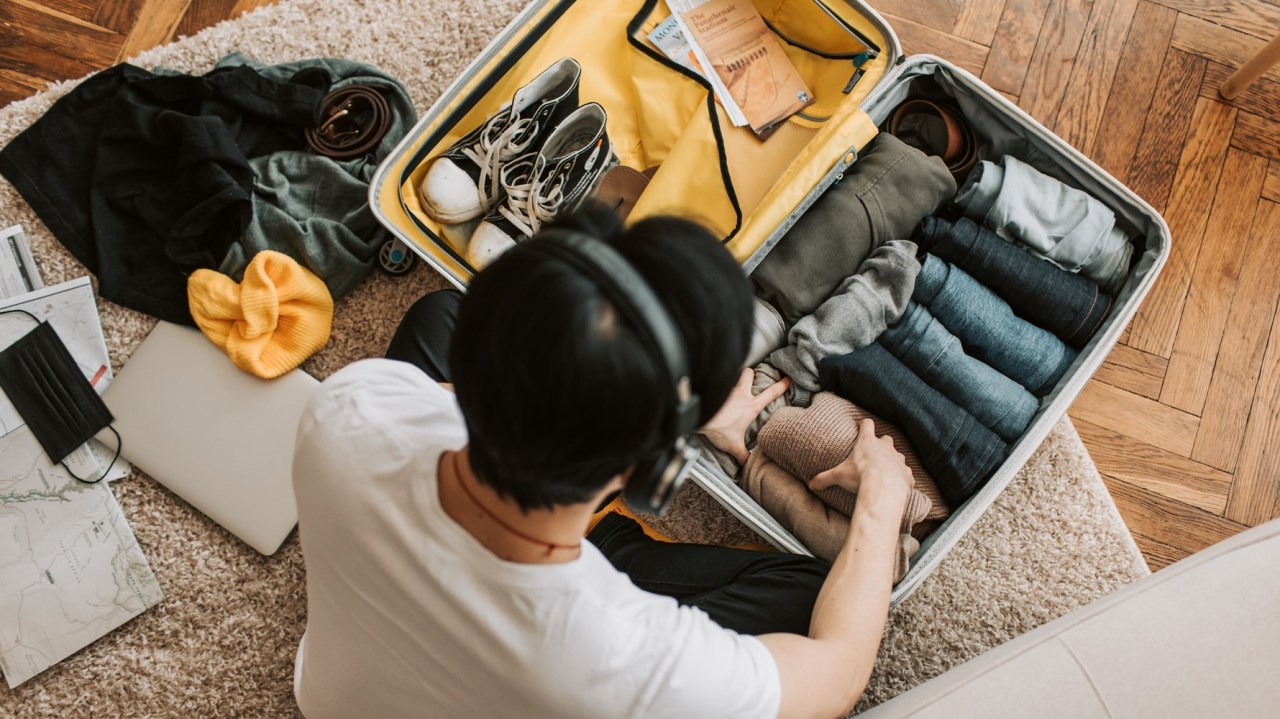
How to travel with just a carry-on bag
There’s a temporary capacity crunch at some European airports as a surge in demand meets a labour shortage. Some European airports like Heathrow have taken measures, this week, like capping passenger numbers.
Don’t despair. You’ve downloaded the myCWT app for alerts, and you’re prepared to leave home a little earlier than usual. There’s a lot you can do for ease and peace of mind.
Consider breaking with a long-held tradition of packing for every occasion to save you even more time and hassle until the summer rush abates.
Pack light
Generally speaking, footwear hybrids are terrible – remember the lovechild of Crocs and Uggs: Cruggs? – but a pair of business-casual shoes will save space. Add a well-planned capsule wardrobe diversified with clever accessorising (as usual, there’s an app for that) and now you’re a regular Steve Jobs who famously used to wear the same outfit every day in order to reduce decision fatigue.
Pack small
Roll, don’t fold. Pack products with combined usage such as a single make-up compact or a shampoo/soap bar and use packing cubes. Try bundling your core outfits with underwear and t-shirt or vest at the centre, and tailored blazer or dress as the outer layer. Consider your destination. You can buy most things in cities and use the hotel toiletries. Lay out all your clothes, channel de-cluttering expert Marie Kondo, and be brutal with your culling.
…But also, go big
Several brands including Cabin Max make holdalls that are as large as possible while still recognised to fit all major airlines’ carry-on requirements. But why stop there? The ‘wearable luggage’ market is expanding (pun intended). These jacket/luggage hybrids contain lots of clever pockets and compartments and are usually wind and water resistant. They are, however, so unfashionable, they’re possibly colleague resistant too.
Does it matter? You’ll be sipping a welcome drink by the hotel pool by the time your colleagues have finished wading through their cases at the carousel.