
Introducing the latest myCWT product and service enhancements
Building on our digital, omnichannel myCWT platform, our new products and services will simplify travel management for you and your employees – anytime, anywhere, anyhow.
Note: Featured services may not be available in your country at this time. Please reach out to your CWT representative for more details.
Hear from Chief Product Officer, Erica Antony as she shares the key product highlights of 2024, along with the key areas driving innovation.
-
2040: Baseline, Boom or Bust
As we enter an era of rapid transformation and unprecedented challenges, it is essential for travel managers, meeting & event planners, and corporate decision-makers to look ahead and frame our current strategic thinking with a clear vision of the future. Business travel and meetings and events (M&E) are poised for significant change over the next decade and a half, driven by a complex interplay of sustainability goals, technological advancements, evolving work models, and geopolitical dynamics.
In this paper to mark the 10th anniversary of our Global Business Travel Forecast, we explore, for the first time, a long-term vision of the future and potential trajectories through three distinct scenarios, each offering insights into how these forces should affect policy-making, budgeting and priorities. By examining these scenarios, we can better understand the diverse possibilities that lie ahead and the strategic imperatives required to thrive in each potential future.
Based on trajectory data analysis and interviews with industry leaders, behaviorists and climate tech founders, this forward-looking approach enables us to anticipate changes, strengthen our strategies, and make informed decisions that align long-term objectives. It is through this lens of foresight and adaptability that we can build resilience, seize opportunities, and navigate the complexities of the future.
We invite you to reflect on the insights presented, and consider how your organization can prepare for the opportunities and challenges that lie ahead. Together we can ensure that travel and meetings remain catalysts for growth, scalability and sustainable practices.
- Scenario development is both an art and a science
- Megatrends Shaping the Future of Business Travel, Meetings and Events
- Sustainability goals the new crux of corporate policy
- Technology Revolutionizes Travel Management
- Modern work models spark new travel patterns
- Changing demographics open doors to new opportunities
- Three Scenarios: Base case, boom and bust
- Future-proofing strategies

-
CWT GBTA Global business travel forecast 2025
When it comes to pricing, global business travel has finally reached an enduring, higher baseline. Prices will continue to rise in 2025, but only moderately, so expect a period of normalized growth.
However, this pricing environment, one of marginal gains and price regularity, is fragile. Global leisure travel has now realized a lot of its pent-up demand, while corporate travel has been resurgent, with 2024 edging at preCovid levels.
There are many factors at play, whether its volatile oil prices, labor costs and constraints, inflationary pressures, and geopolitical factors. As this elevated baseline edges upwards, albeit marginally, travel budgets will come under increased scrutiny, especially as travel patterns and attitudes change.
It’s why business travel can’t be viewed in a silo, and the true value to an organization must be fully realized. This forecast can help with those calculations.
-

Capitalize on emerging technologies in corporate travel
Technological advancements are accelerating at an unprecedented pace. How will emerging innovations like Generative AI, blockchain, and self-sovereign identity (SSI) transform corporate travel?
BTN and CWT probed global CEOs, travel managers, industry consultants and tech experts on the promises, questions, and expectations these innovations raise and how they are set to reshape traveler experience, cost control and service delivery in corporate travel and events.
Download and discover
- The technologies that will have the greatest impact on corporate travel in the next 2-5 years
- How these emerging technologies are poised to control costs, enhance service and security, and boost efficiency
- The critical challenges, opportunities, risks and roadblocks each innovation raises
- What travel managers, buyers and experts anticipate from these innovations
-
How travel buyers are costing themselves money
RoomIt by CWT just published a study with GBTA asking travel buyers and travelers about their hotel program to understand goals, policies, traveler behavior, and future program considerations.
Reducing program costs remains the top goal for many travel buyers, and, despite great effort, many are frustrated that their efforts have not been more impactful.
It turns out there were a few notions commonly held by travel buyers that actually lead to increased costs. We also identified areas where travel buyers can better align with travelers to reduce their spend.
Make use of hotel re-shopping tools
77% of companies don’t use rate re-shopping tools, yet CWT clients cut their total travel spend 1-2% annually when using Price Tracking.
This savings begin by shedding the belief that corporate negotiated rate codes need to be booked in order to attain credit for the stay from hotels. Yapta can find a lower rate at the same hotel as a corporate negotiated rate 19-28% of the time. The average daily rate (ADR) will be reduced, and typically the stays will still be credited.
Look for non-refundable rates
Over a third of business travelers say the one thing they wish their travel managers could know is that they want to help save money and hate booking corporate rates that are higher than what they can find on their own.
Travelers often find non-refundable rates when searching for lower costs, yet two-thirds of travel buyers either require or recommend booking refundable rates only. It turns out travelers may be on to something.
On average non-refundable rates are up to 20% lower than refundable rates, and are only canceled 5%-6% of the time. If 100K nights are booked at $200 each – totaling $2 million – you’ll be saving $400K usd while cancellations will only cost you $96K USD, meaning you’ll have over a $300K USD net savings.
Consider bundled rates
Nearly 7 in 10 travelers believe they can save their company money over the long-run by booking slightly higher rates with bundled amenities, but only 1 in 10 travel buyers say they always use these types of bundled rates.
On average, WiFi costs $15 and breakfast costs between $10 – $20. If you have or can negotiate lower fees for those amenities, you can be sure travelers know they’re getting a good deal when booking preferred rates.
If not, it may be time to consider other rate types, such as RoomIt Rates. These unique rates pair significant discounts with the amenities business travelers seek the most. By using these rates as the long tail to a hotel program, companies are realizing savings from a reduction in travel spend and by a reduction in hotel negotiation costs.
Educate your travelers
Cutting program costs is always top of mind for travel buyers, yet one-third of business travelers would go over their rate by $31 USD or more if they found accommodation that better suited their needs. In fact, 60% of travelers admitted they mostly book upscale and above properties with 24% saying they mostly book luxury stays. This stands in stark contrast with what travel buyers reportedly allow. Lack of education about travel policies may be the culprit here as most business travelers want to stick to policy.
While 62% of companies communicate their travel policy to travelers in some form, the problem is that less than half of travelers claim to have actually seen them. This gap in knowledge grows significantly worse when comparing companies that require the use of travel tools and preferred hotels, and travelers that actually know that.
If educating the entire staff is too daunting or time consuming, start with your most frequent travelers and travel arrangers. Make sure they are clear about what type of rate caps and properties are allowed.
Achieve your goals
With some changes in mindset, hotel program costs can be reduced. First, be open to savings opportunities beyond negotiated rates. Second, find ways to close gaps between your travel program parameters and travelers’ needs and wants.
High program costs are not the only problem that can be remedied by increasing alignment between travel buyers and their travelers. It turns out that rectifying various misunderstandings can also lead to improved policy compliance as well.
-
CWT launches CWT AnswerIQ, an AI-Powered travel reporting and visualization tool
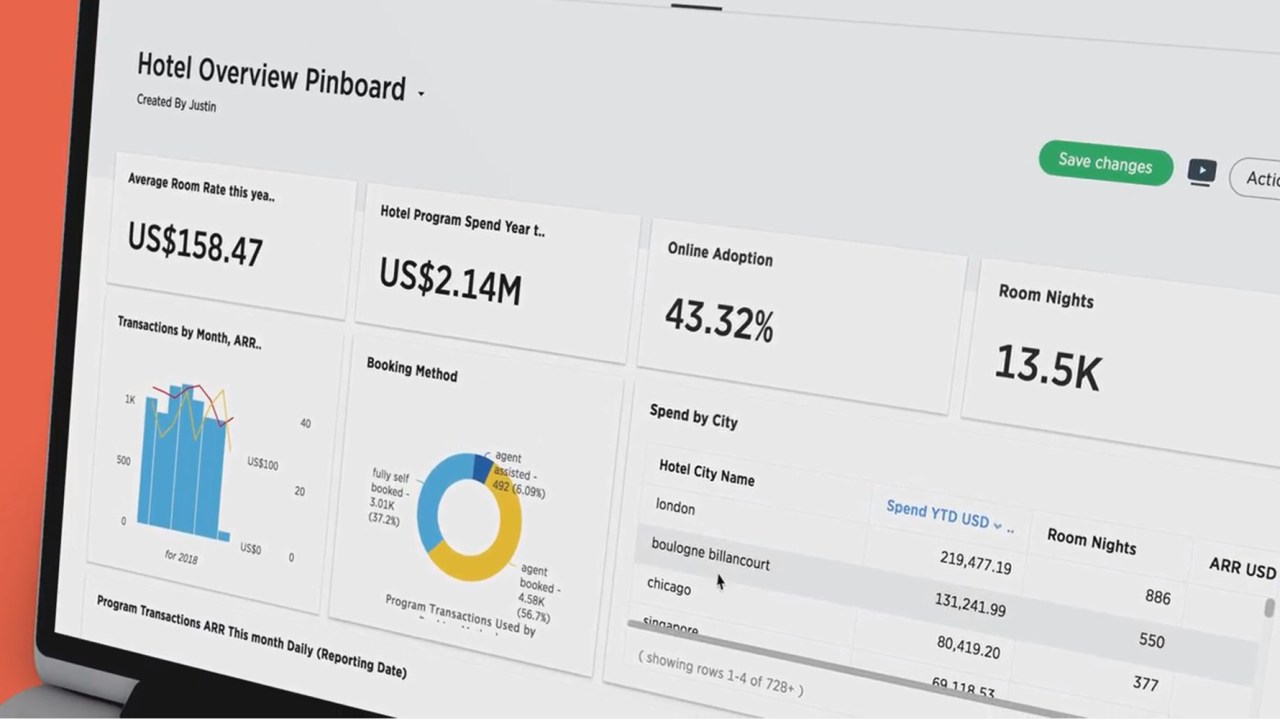
Carlson Wagonlit Travel, the global travel management company, has launched CWT AnswerIQ, a next-generation data insight, reporting and visualization tool that works like a personalized search engine that knows everything about the client’s travel program.
“CWT AnswerIQ makes corporate travel reporting as easy as shopping for your next pair of shoes on the internet,” said Eric Tyree, Chief Data Scientist, Carlson Wagonlit Travel. “You type your request in the search box, AnswerIQ goes through all your data, and gives you the answers – visualized for ease of understanding.”
CWT AnswerIQ is CWT’s latest AI-powered business intelligence tool. By putting internet-style search with drill-down capabilities on top of CWT’s data lake, CWT AnswerIQ allows clients to access all the data about their own travel programs in a simple and intuitive way.
The tool provides visibility over three years’ worth of data, updated multiple times every day, ensuring clients get up-to-date information. Using AI-assisted search technology and machine learning, it adapts and improves its search capabilities, getting smarter and more personalized over time.
As users run their searches, the data are visualized to tell the story in a way that’s easy for their stakeholders to understand. CWT AnswerIQ provides a variety of visualization options to choose from. Users can also design, create and share dashboards with their colleagues, improving program effectiveness and saving clients time and money. CWT AnswerIQ is available on a 60-day free trial now.
Carlson Wagonlit Travel
Companies and governments rely on us to keep their people connected. We provide their travelers with a consumer-grade travel experience, combining innovative technology with our vast experience. Every day, we look after enough travelers to fill more than 260 Boeing 787s and 100,000 hotel rooms – and handle 105 events. We operate in around 150 countries, and in 2017 posted a total transaction volume of more than US$ 23 billion.
-

Show me your visa – Where do you lie on the spectrum of mobility?
With Brexit fast approaching and with it concerns over the complexity of visa processing, it seems like an apt time to look at the latest edition of the Henley & Partners Passport Index published at the beginning of October.
Based on IATA data, the index provides a ranking of passports and a travel freedom picture per country, including the type of visa each nationality needs to access the different countries and a review of how passports have changed over the years.
According to the latest data available, if you hold a Japanese passport, you are in luck. Rising sun nationals hold the first position in the ranking and can visit 190 countries without the need to get their passport stamped.
Japan has overtaken Singapore to claim the top spot, which now rates second. Singaporeans enjoy free access to 189 countries. Germany, France, and South Korea are tied in the third position with 188 destinations.
Denmark, Finland, Italy, Sweden, and Spain rank fourth with 187, and Norway, the United Kingdom, Austria, Luxemburg, the Netherlands, Portugal and the US fifth with 186.
The US and the United Kingdom dropped one position and, according to Henley & Partners, it is very unlikely that they recover the number one position held in 2015.
The bottom of the ranking is held again by Iraq and Afghanistan. Nationals from these countries can only travel without a visa to 30 destinations.
But what is the impact of a weak passport for a company?
Visas can have a significant cost and, depending on the travel population of a company, they can take a chunk of its travel budget.
And not only that. It’ well-known that time is money, and sometimes getting the necessary documents can take a while.
Or worst, failing to obtain the required authorizations can result in an executive being rejected and sent back home. Oversights happen, but sadly they can end up costing money to companies and putting their employees in the most uncomfortable of situations.
Fortunately, CWT partners with visa experts CIBT, who offer our customers discounts on visa services and an automated email advising when a visa is needed for the next trip. It also contains a link to the CIBT page to proceed with the request.
This saves clients time, allows them to get better prepared for an upcoming trip, avoids the hassle and stress of dealing with last minute requests and reduces the need for urgent visa applications.
So, to be on the safe side, check with your travel management company how it can assist you. Otherwise, you can always apply for Japanese nationality to minimize the risks.
-
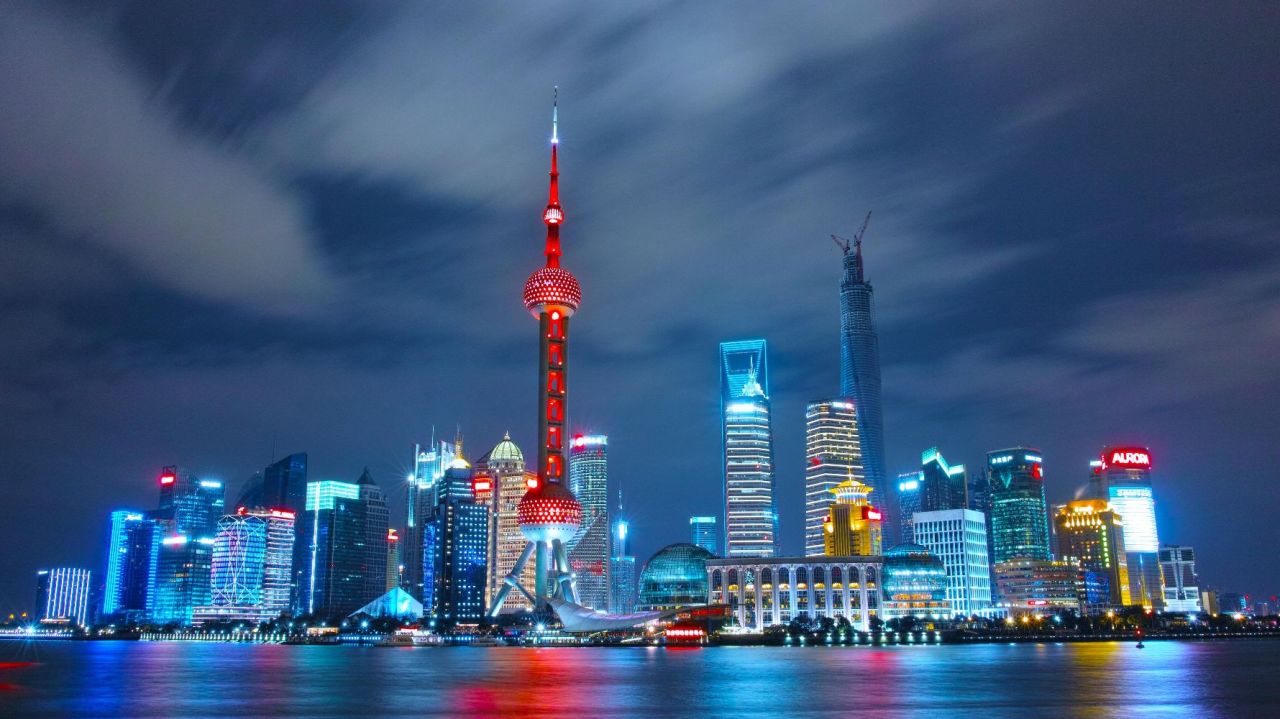
Shanghai nights: Adventures in Asia Pacific’s top city for 2019 with Sam Lay, Senior Director Meetings and Events APAC
“Shanghai was a waking dream where everything I could imagine had already been taken to its extreme,” said novelist JG Ballard.
It’s an accurate description of a city that’s singular in its vivacity. A magnet for migrants from all over China, the nation’s biggest city is a modern powerhouse and financial hub as much as it is a historical treasure trove.
In a day, you can ride the world’s longest Metro system, take in views of a space-age skyline – including the world’s second tallest building – and traverse through the Old Town with its art deco buildings from the glamorous heyday of the 1920s. You can sit on a plastic stool and sample traditional street food or eat experimental Michelin-starred cuisine atop a skyscraper.
And if its dynamism you’re after, the local meetings and events industry doesn’t fall short. With over 650 hotels and international exhibition centers of all shapes, styles and magnitude, it’s no surprise that our 2019 Meetings and Events future trends report puts Shanghai at number one in the Asia Pacific region, the fastest growing region globally for meetings and events.
Curious about his personal favorite, we asked Sam Lay, Senior Director Meetings and Events Asia Pacific to tell us about his top pick.
It’s fair to say that he knows the region well with a career spanning 17 years across organizations including the Singapore Tourism Board and Suntec International. When he’s not leading a team of CWT Meetings and Events specialists at key markets, he can be found exploring hidden neighborhoods and sampling soup dumplings.
Why do you think Shanghai has emerged as number one on the list of top Asia Pacific destinations for 2019?
Shanghai is a dynamic city that’s comparable to traditional mature destinations such as Singapore and Hong Kong. It has a strong presence of multinational corporations as well as huge local organizations. In addition, the infrastructure supporting Meetings, Incentives, Conventions, and Exhibitions (MICE) is more stable compared to 3 – 5 years ago.
From the top ten list, which city in APAC is your personal favorite and why?
Coincidentally, Shanghai is my favorite city. I think it has a lot to offer as a destination, and I like its vibrancy and energy. At the same time, it is a city with a fascinating history and rich culture.
Where would you recommend to stay?
I recommend the Jing’An area. Named after Jing’An temple, an ancient Chinese Buddhist Temple, it’s centrally located and close to commercial offices. The area has excellent hotels, restaurants, and shopping and is close to the French Concession, an area with leafy boulevards, wine bars, and boutiques.
Best place to eat in your favorite city?
There are many hidden areas in Shanghai, but if you are looking for a unique experience and if budget’s not an issue, I recommend walking along the Bund (Puxi side) and picking one of the restaurants in the old colonial buildings.
Favorite local speciality?
It has to be soup dumplings (xiao long bao)
Best shop or market?
I am a big fan of books and magazines. There is a whole street along Fuzhou Road just beside Raffles City that is dedicated to books of all sorts.
If they only have 24 hours, what should visitors do in Shanghai?
Take a stroll along East Nanjing Road which leads you to The Bund. You will be able to get good local snacks from the old shops along the way.
What about just an evening?
Definitely an evening drink on a rooftop bar along The Bund to take in the view of the gorgeous Shanghai skyline.
And a few days?
Spend time in the French Concession Area for café and bar hopping and make a day trip to the water villages near the city such as Wuzhen and Tongli.
The top three coolest venues?
Peace Hotel, Xintiandi and Wukang Road (French Concession)
Why is your favorite city ideal for meetings and events?
Shanghai has a comprehensive offering of both leisure and business pursuits. Many APAC headquarters can be found in the city. It is a melting pot of cultures where a strong representation of various Chinese cultures can be seen in the cosmopolitan city.
Finally, what are your personal favorite cities for the other regions in the report, namely Europe, The Middle East and Africa (EMEA), North America and Latin America?
Amsterdam, Vancouver and Cancun.
-
CWT research: four in ten business travelers use company cards for personal purchases
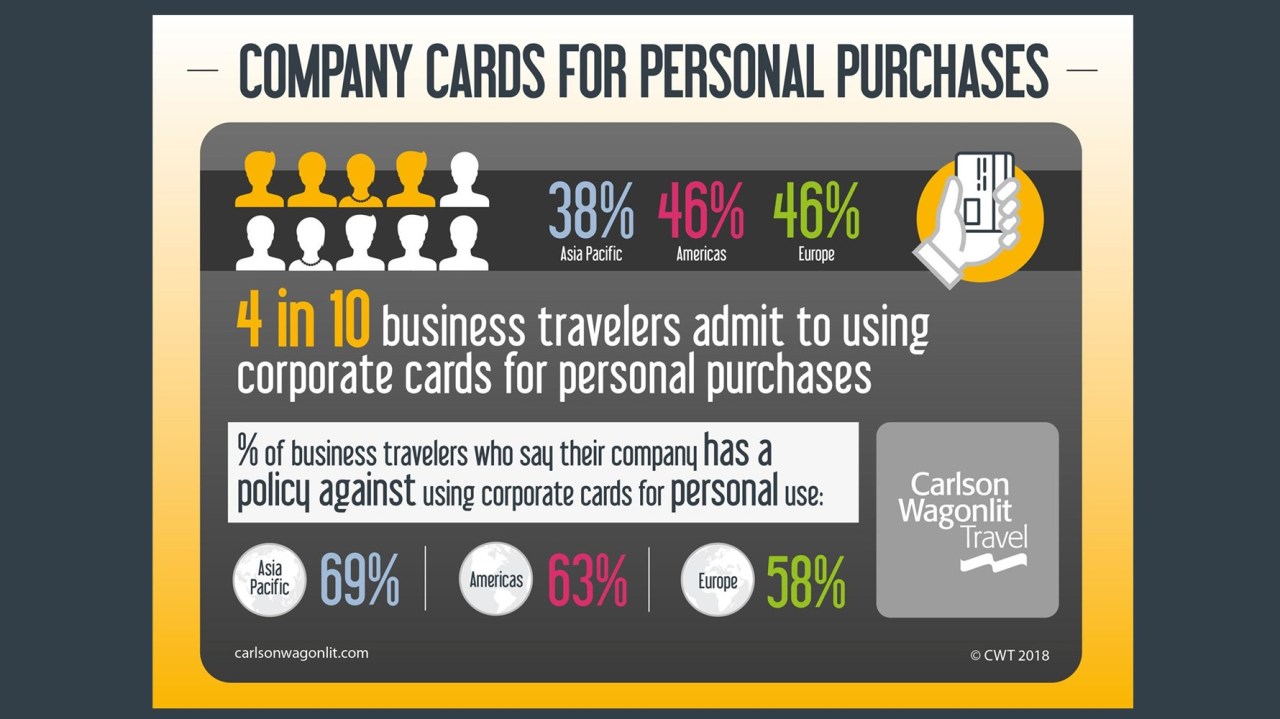
According to research commissioned by CWT, the global travel management company, four in ten business travelers admit to using corporate cards for personal purchases – 46% of American and European travelers, and 38% of travelers in Asia Pacific.
“Travel managers need to address the misuse of company cards – and also work out why travelers don’t follow the rules,” said Christophe Renard, Vice President of CWT Solutions Group, the consultancy arm of Carlson Wagonlit Travel.
The practice is rife, even though 63% of Americans, and 58% of Europeans, say their company has a policy against using corporate credit cards for personal purchases, with an enforcement ratio of 85% in both regions. Among Asia Pacific travelers, 69% said their company has such a policy, with an enforcement ratio of 87%.
Overall, six in ten global business travelers said their employer provides them with a corporate credit card. Those in Asia Pacific were likeliest to have one (67%), followed by those in the Americas (61%) and those in Europe (56%).
While corporate cards are used to make personal purchases, the findings show that personal cards are also often used for business travel expenses.
Globally, 49% of business travelers always use their personal credit card when traveling for business. Travelers from Asia Pacific were significantly more inclined to do so (55%) than those in the Americas (48%) or Europe (44%).
“The use of personal credit cards for business expenses means companies find it difficult to track spend – and that makes it a lot harder to enforce policies,” said Renard. “If companies don’t want to issue credit cards to all employees – which is understandable – virtual credit cards are a useful compromise. Travelers don’t have to use their personal cards for business expenses, and companies know exactly how their money is being spent.”
Carlson Wagonlit Travel
Companies and governments rely on us to keep their people connected. We provide their travelers with a consumer-grade travel experience, combining innovative technology with our vast experience. Every day, we look after enough travelers to fill more than 260 Boeing 787s and 100,000 hotel rooms – and handle 105 events. We operate in around 150 countries, and in 2017 posted a total transaction volume of more than US$ 23 billion.
-
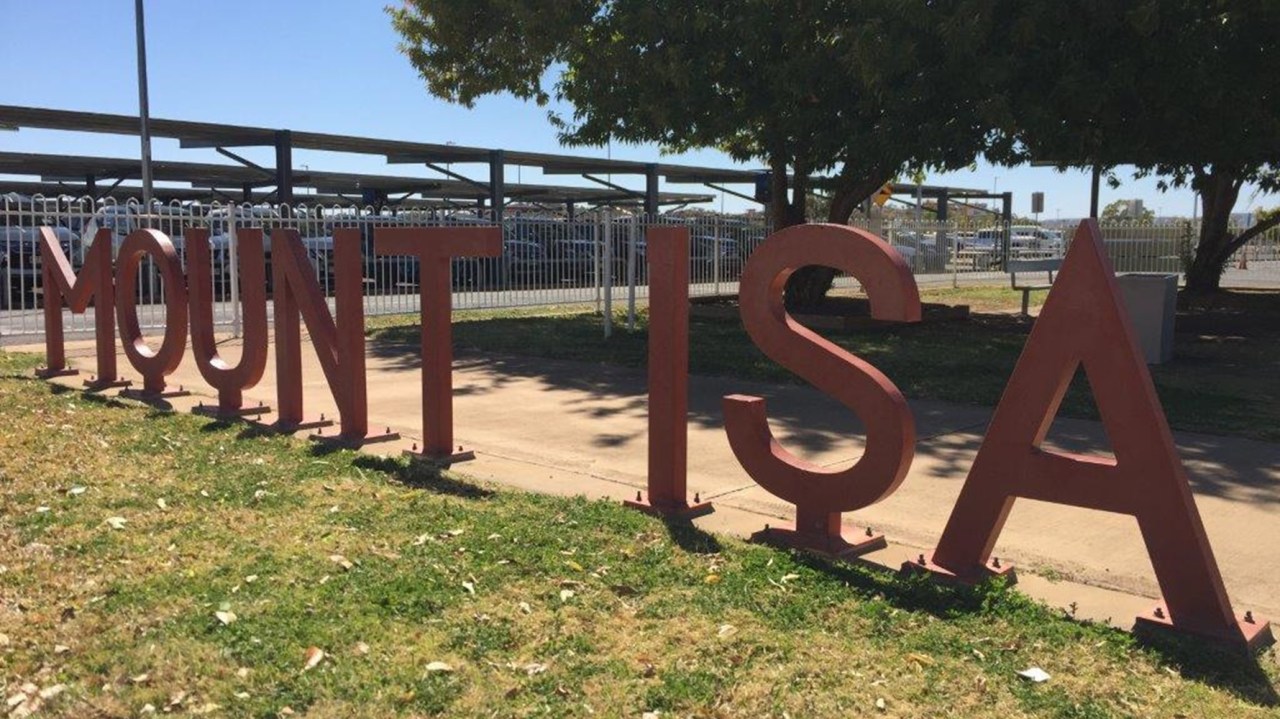
Into the deep: My day as a copper miner
Simon Goldie is a global program director in the Energy, Resources and Marine sector at CWT. Experiencing life as a miner has always been one of his goals. When the opportunity came to explore a copper mine in the Australian Outback, Simon was more than ready to go. Below is his first-hand account.
My journey deep inside a mine began in my home base of Perth. The destination: Mount Isa, one of the deepest mines in Australia, 5,187 kilometers (3,223 miles) away. The trip involved a four-hour hop across the continent to Brisbane, an overnight stay, followed by a two-and-a-half hour flight deep in the Australian Outback.
Gearing up
Upon arriving in the Outback town of the same name, we headed to the mine office for a pre-safety check, sign-in process, and to get suited up in full mining gear. Our kit—all 10 kilograms (22 lbs.) of it—included a bright red jumpsuit, respirator, helmet with headlight, emergency oxygen supply, and a communication unit with a GPS tracker.
After going through a final safety check and confirming we understood the unique signals we can make with our headlamps in case of an emergency, we were set. A rush of excitement filled me as I had never experienced anything like this before.
Into the mine
Inside Mount Isa’s copper mine are 950 kms. (590 miles) of mining tunnels. Instead of taking the shaft, our hosts drove us in two utes (car-trucks popular in Australia) down the mine so we could explore the plethora of tunnels.
The utes were customized with a three-seater bench on the back, facing backwards and open to the elements, with only a wire-like cage protecting us from above and to the sides. There was room for only one passenger in the air-conditioned cab. I opted to go al fresco on the way in to get a true experience.
We drove for 10 minutes down a disused open-pit zinc mine to the entrance of the underground mine, kicking up a thick cloud of dust as we descended 300 meters (984 ft.) into the shadows.
At the tunnel entrance, the adrenaline went up another notch—this felt like the point of no return. Within seconds, we were engulfed in darkness, except for the yellow glow of the flashing ute light that illuminated the tunnel walls as we drove through.
Assault on the senses
Almost immediately, my senses began to go into overdrive. It was like being on a slow-moving roller coaster, going backwards, with a persistent strobe light flashing from behind.
Then there was the sound. Every few minutes, the low rumble of huge fans in the distance grew louder as we drove nearer, ending in a deafening roar as we drove past.
The deeper we went, the higher the temperature. Outside the mountain, it was a comfortable 30 C (86 F). Twenty minutes in, we could feel the heat rise up to meet us, and the air from the fan was like a stifling desert wind.
At 1,000 meters (3,280 ft.) below the surface, we stopped at one of five ‘cribs’ (air-conditioned breakout rooms complete with fridge, microwave, toilets, etc.) for miners on their break. We explored a service area for equipment and trucks that was bathed in floodlights, while overhead, small blasts could be heard—the boom, boom, boom rumbling through my chest in an eerie way.
One mile, 100 degrees
As we headed deeper into the mine, the temperature became downright intense. It felt like being in a dry sauna, with the only moisture coming from our own sweat, dripping. Soon, we hit a milestone. Literally. We were one mile (1.6 km) underground. This was the deepest we were going to go, although the tunnel continues for another 300 meters (984 ft.) beneath us.
After the obligatory photo op, we drove to a vast area, 30 meters high (100 ft.), where they crushed freshly blasted rocks to be taken up to the surface. The noise was deafening. The heat from the machinery and the hot air from the fans easily brought the temperature up to 40 C (104 F). The miners working the machines were covered in sweat and guzzled water down by the liter.
The final stop was to the rock face itself, almost like a small siding, with a giant drilling machine that looked like it was from a sci-fi movie. This, I thought, was what mining is all about. Digging rocks out of the ground.
Into the sunshine
We then started our 40-minute drive back out of the mountain, only this time, I had the pleasure of experiencing it in the air-conditioned cab, facing forwards! When we finally got to the tunnel entrance and was hit by sunshine, there was a real sense of accomplishment as well as exhaustion.
The four hours we spent underground was an experience I will never forget. I came out of Mount Isa with a renewed appreciation for miners and the excruciating work that they do. Toiling in mines four days straight in 12-hour shifts, I feel, even more deeply, our strong commitment to ease their journey in any way we can.
-
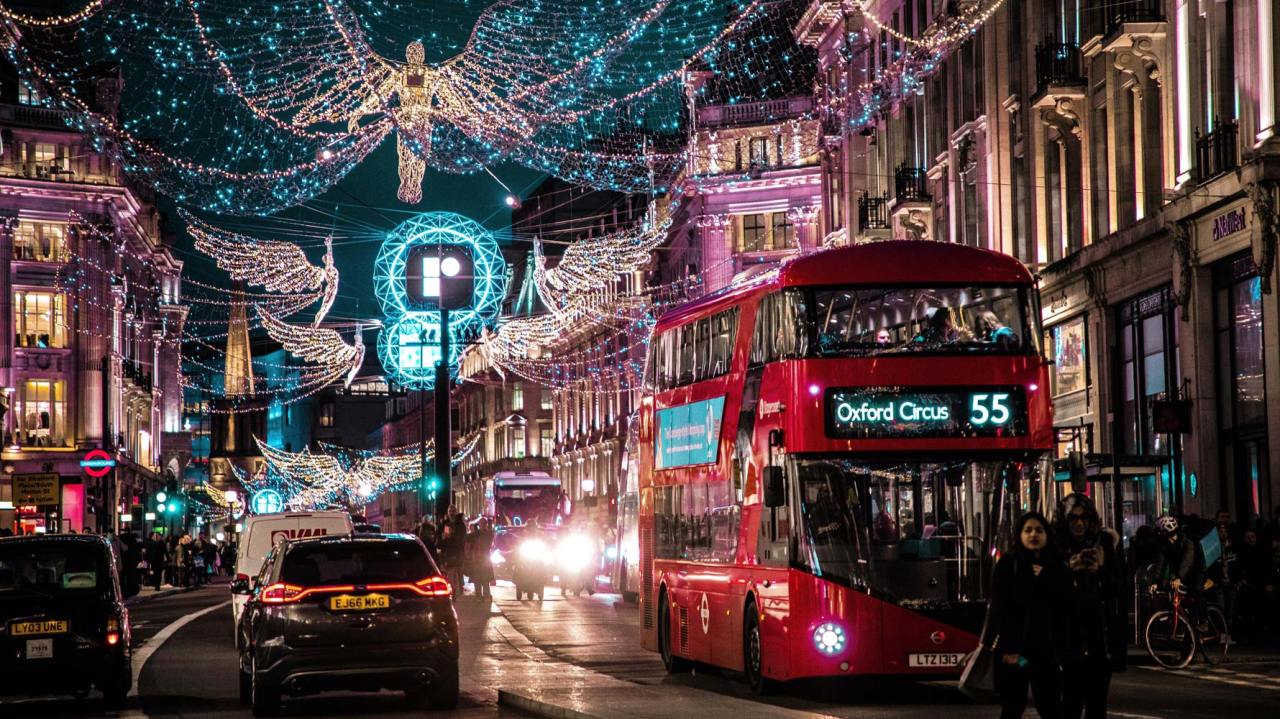
Brexit – A seismic event for the UK events industry?
In the fourth blog in our Brexit Impact series, we are looking at how the divorce bill could impact the meetings and events industry.
Two weeks ago, more than 700,000 people protested on the streets of London, demanding a people’s vote on the final deal. This week, The Guardian newspaper reported that EU diplomats agreed to hold a series of no-deal planning seminars this month covering aviation, ground transport, customs, and border controls – all areas of concern for the events industry. I have to admit that a part of me wishes that we were organizing all the meetings and conferences created by Brexit but we are not so what I need to look at is how this will play out for the hundreds of events organized by us and other agencies every day.
We have 2 basic scenarios in the words of the TV phenomenon – Deal, or No Deal – but only one view. We predict that regardless of the outcome, the Global Meetings and Events industry will grow next year by up to 10%. We also believe that in the UK – where the industry is estimated to be worth around £40bn and account for over a third of the UK visitor economy that London will remain the top destination.
Several industry studies are showing a balanced to optimistic outlook. Impact on recruitment in the events industry is increasing but its influence on business in the events sector generally has reduced in the last 12 months, according to a Brexit survey released in June 2018 by hospitality trade association HBAA. Sterling’s depreciation has boosted overall visitor numbers to the UK and could continue to approve attractive to global planners.
Apart from generating a meetings and hospitality industry in itself, the key consensus is around the seamlessness with which delegates can travel to and from the UK. This, along with the change in the status of EU nationals who make up a large proportion of staff in the UK events industry, will have the biggest impact.
My colleagues and I continue to monitor the situation (along with several million other people, I know), but for now, the only certainty is that there’s uncertainty.
Early next year we will produce tips and guidelines for meetings & events planners, but for now, I advise people not to hold off on their planning. Don’t try and second guess developments and remember that events will continue to serve a crucial purpose – to provide a platform for the exchange of creative ideas and an opportunity to meet face-to-face. No other forum is more effective and more critical in a fast-changing world.
-
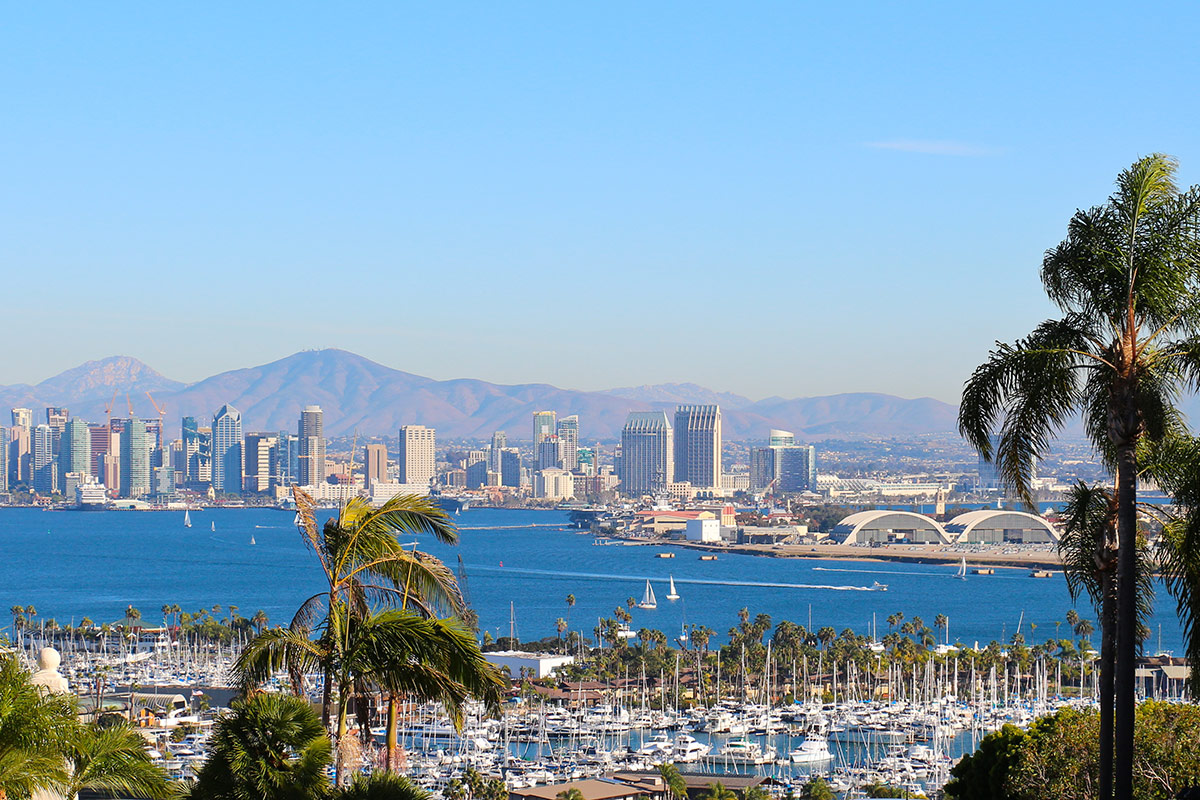
San Diego – Discover the sun-drenched coast of California
San Diego is California’s second largest city with Mexico to the south and the Pacific Ocean to the west, it’s an accessible destination for those travelling in for business or for a spot of winter sun. The surrounding influences give San Diego a vast amount of culture and cuisine that is appealing to all. The low fares, reasonable hotels and vast amounts of meetings and events space, it’s no wonder why it’s become a popular host destination. It’s is also perfect for “bleisure” travel with great shopping options, world-famous zoo, beaches, spas and some of the best wineries.
San Diego is a meeting planners’ dream
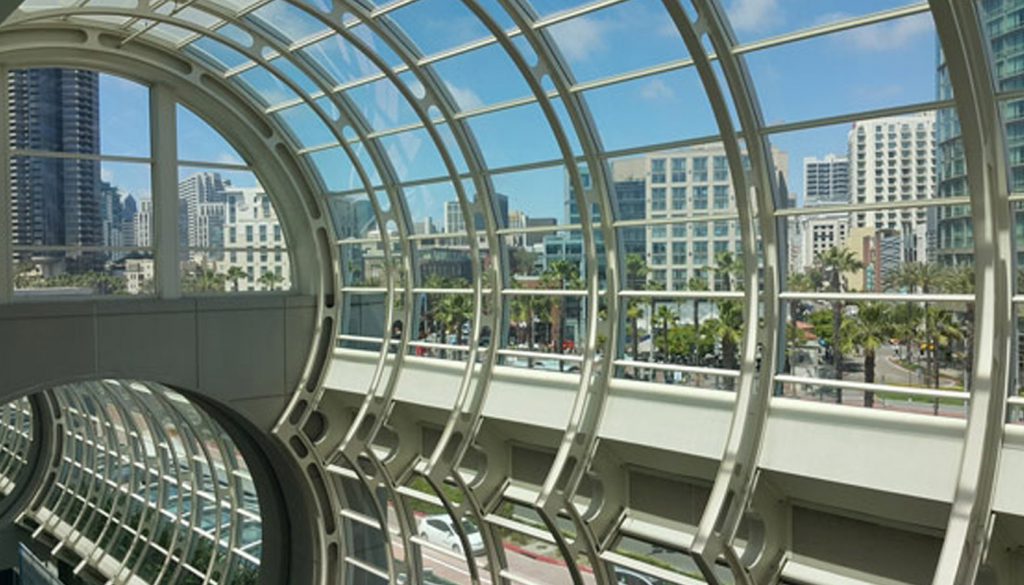
The San Diego Convention Center is known for its beautiful panoramic views across the bay. The center provides five-star service that makes all delegates feel welcomed. For starters, the building has a vibrant, chic, downtown setting with over 11,000 first-class hotel rooms, which are split into four ‘headquarter’ hotels which span across a mile and a half. That just puts into perspective how large the convention center is with 72 meeting rooms totaling 204,114 sq. ft., including two 40,000 sq. ft. ballrooms, 525,701 sq. ft. of continuous exhibit space, divisible into seven halls. Best of all, it’s only ten minutes away from the airport, which makes it extremely accessible for business travelers coming in and out of San Diego. Attendees will be within a short walking distance with an array of fantastic restaurants for group dinners, retail stores (there is always time for a bit of retail therapy) and world-class entertainment for team bonding.
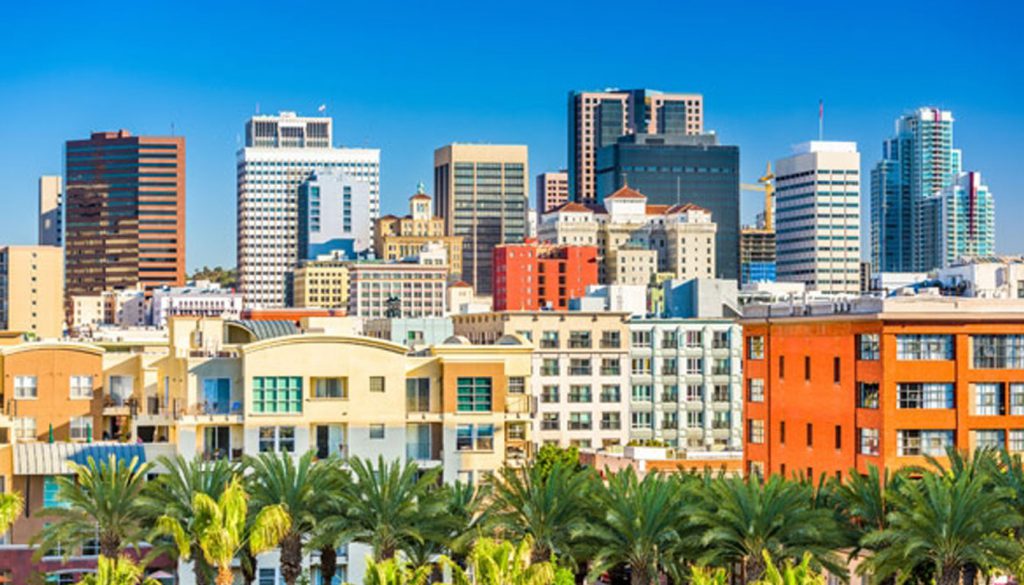
Hotels tailored to your meetings and events needs
We understand that some companies prefer hosting their meetings and events in hotels. You’re in luck, as San Diego is home to some of the best business focused hotels, such as:
- The Fairmont Grand Del Mar – San Diego’s Fairmont has the old world charm mixed with the modern luxury of an elegant, luxurious five-star resort. The Grand Golf Club offers the perfect backdrop. The resort features 20,000 square feet of flexible meeting and event space to accommodate a full range of event – from intimate board meetings or incentive trips to charity galas for up to 600 guests.
- Hilton Gaslamp Quarter – Located in the heart of the Gaslamp Quarter, the hotel boasts 12,000sq food of indoor and outdoor event space. Ideal for business meetings, conferences and all kinds of events. There is space for up to 300 guests on the outdoor terrace or Martin Luther King Promenade or private rooms for more intimate events.
- Lowes Coronado Bay – There is over 70,000 square feet to choose from with a remarkable range of meeting space options. There is the Commodore Ballroom with its expansive foyer providing gorgeous views of San Diego, to the Boardroom, and Reliance rooms – ideal of smaller meetings. With the Bay and Marina terrace there is the option to host events and meetings outdoors too.
Must try activities in San Diego – It is more than just business
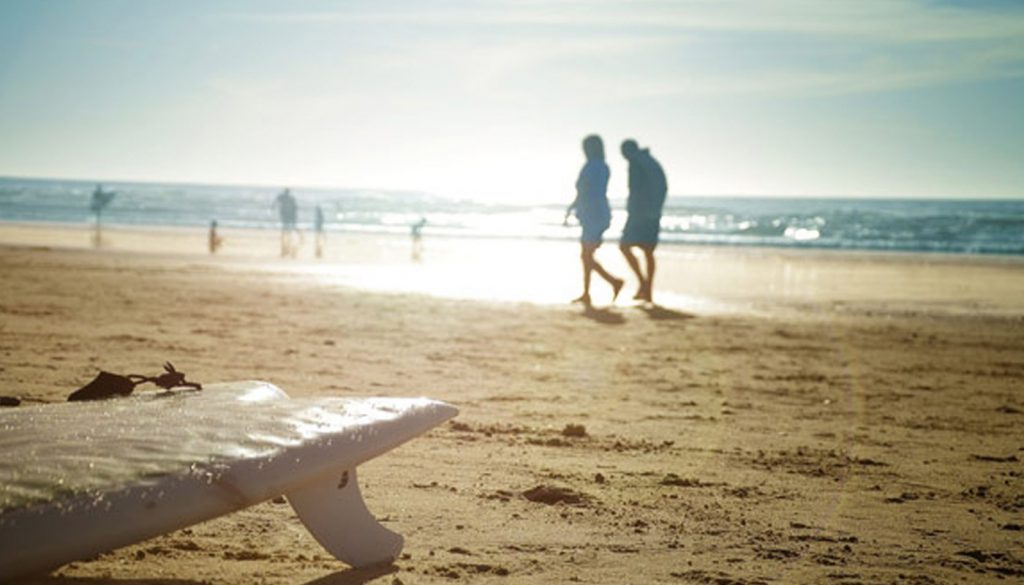
Bleisure travel is on the rise and with San Diego being the perfect hot spot for fun attractions, gorgeous weather and great beaches – you will be in for a real treat. Where should you visit? Here are a few ideas to get you planning:
Torrey Pines natural reserve shows you what San Diego was like before it became a booming metropolis. Torrey Pines reserve is one of the last few remaining reserves in the California park system with unique inhabitants and plants that are hard to find elsewhere. You will also find some of the best views of San Diego, overlooking the cliffs and the sandy beaches and blue water below.
Mission Beach is one of the most well-known beaches in San Diego, and a must visit if you can only fit in one beach experience. It’s lively with lots to do and see. You can skateboard, join in a game of volley ball or just relax on the beach. It’s all down to you!
Belmont Park is close by to Mission Beach which is filled with amusement parks, with views of the pacific. Release your inner child and jump on a wooden roller coaster or partake in an immersive motion ride experience. Perhaps sunset yoga, rock climbing or mini golf might take your fancy instead?
La Jolla Cove is perfect if water sports is your thing. You get access to scuba diving, surfing, bird watching and getting the perfect view of the sea lions. It’s also closely located to plenty of shops and restaurants for a leisurely lunch or dinner overlooking the view.
It is time to take your meeting or event to San Diego! Insider insights
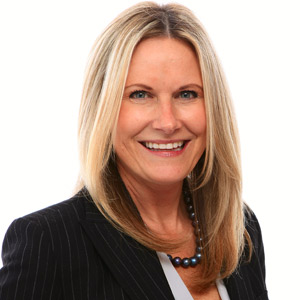
Mo Haas, West Coast Business Development Director, CWT Meetings & Events
“I personally love San Diego – there is so much to do and in the city but here are a few of my personal favourite tips to share with those travelling to San Diego. Hotel Del Coronado is a great place to have lunch, spend a day on the beach or enjoy a sunset drink. The town of Coronado is quaint and definitely worth a stroll exploring the stores and restaurants. Boating is also amazing in San Diego and I recommend doing a Harbor Cruise (going under Coronado Bridge) and admiring the sights from the water.”
-

The Journey of a Diamond – From mine to mine
When one thinks of diamonds, one imagines brilliant stones cut and polished to perfection, emitting cool points of light against the warmth of bare skin. They evoke romance and love, commitment and happiness.
But not all diamonds become exquisite pieces of jewelry. Some studies indicate that as much as 75-80% of global diamonds produced end up in decidedly unromantic places. We take you through the journey of a diamond that is more grit than glam, and much more masculine than one would typically associate with this most feminine of gems.
Diamond in the rough
There are more than a billion carats of diamonds that can be recovered from the 10 largest diamond mines in the world, according to Mining Technology. That’s where our journey begins. A crew of miners, geologists, drillers, rock specialists and general workers are deployed to Russia, Botswana, South Africa, Australia, Canada, and other top diamond-producing countries.
They come from around the world and are sent to remote diamond-rich regions via a work commute that involves a complex series of coordinated steps and stops—from ground transportation to one or two commercial flights (domestic and international), an overnight accommodation, followed by additional travel by land, sea or river.
The journey is not without risks. Some diamond mines in Africa are located in areas still recovering from decades-long conflict. While some of Russia’s biggest diamond mines are in remote, inhospitable places in the country’s far northeast, where temperatures can drop to below 50 degrees. Regardless of the distance, climate, terrain or situation on the ground, making sure the crew gets to its destination safely and on time is the critical first step in a diamond’s discovery.
Sorting from 1 to 12,000
Once a crew arrives in a mine, the hard work of digging for these precious stones begins—often in 12-hour shifts for 14 straight days, followed by two weeks off. With more than 12,000 different categories of diamonds, according to De Beers, the combined expertise of man and machine is required to sort them for the next leg of their journey.
A fair few make their way to fine jewelry. The rejected majority end up in a much less delicate employ—as industrial diamonds encrusting drills and cutting saws, especially useful in the oil exploration and mining industries. It’s no surprise that the hardest substance known to man would be used for such rough labor. Diamonds may be known more as a symbol of love with its strength and invincibility, but these same characteristics also distinguish them on the field.
Back to the mines
Some diamonds that were extracted and sorted in Botswana could be sent to a diamond drill bit manufacturer in Texas, and later shipped as equipment to Angola. Meanwhile, another crew goes through its own complex rotation, traveling a similar route to reach an oil exploration field in Texas, an offshore rig in Australia or a mining site in Africa. Using the diamond drill bits and saws, they drill wells or cut through granite to extract copper, zinc and yes, even diamonds—completing the gem’s multicontinental journey from mine to mine, and proving its eternal utility no matter what form it takes. As they say, a diamond is forever.
-
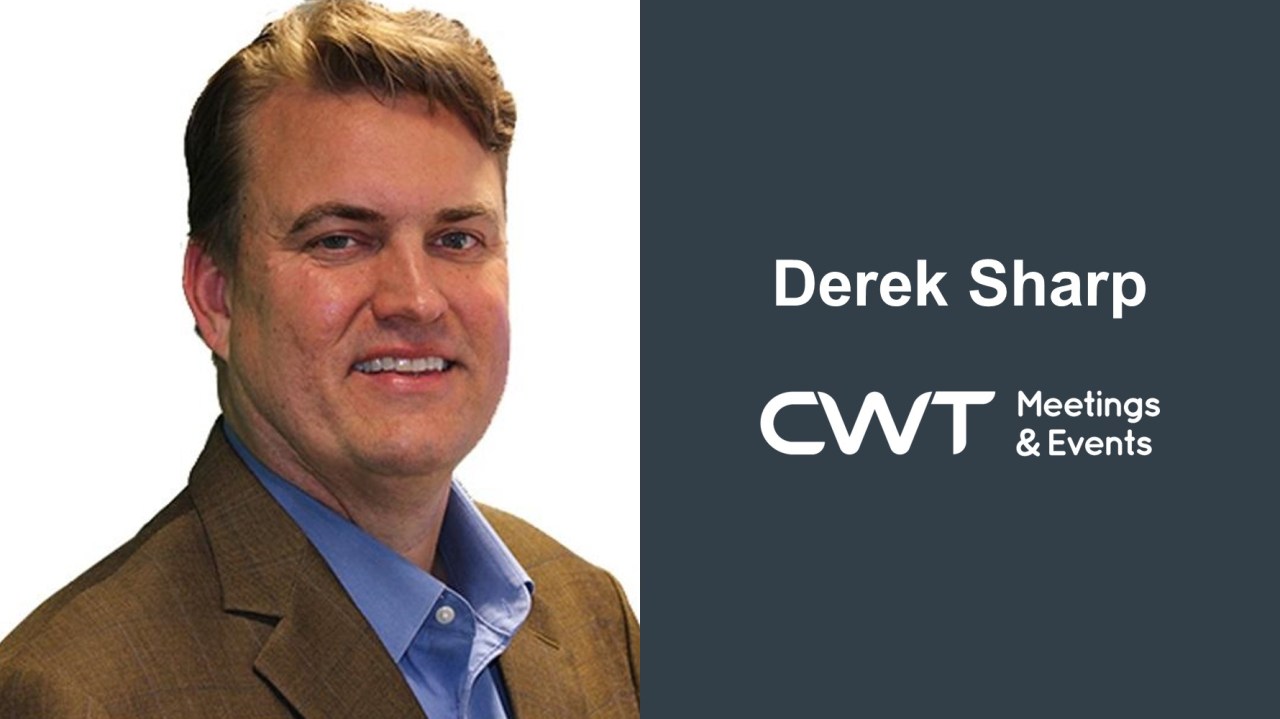
Carlson Wagonlit Travel appoints Derek Sharp as Managing Director of its global meetings and events business
Carlson Wagonlit Travel, the global travel management company, has appointed Derek Sharp as Managing Director of CWT Meetings & Events. Effective 1 November, 2018, Derek will be based in London, report to Kelly Kuhn, Chief Customer Officer of CWT and serve as a member of CWT’s Customer Organization Leadership Team.
“Derek’s success in strategy, sales, P&L management and business development will bring an additional level of dynamism to our Meetings and Events business. In addition, his extensive experience in the global travel industry will provide a unique perspective on how to further grow this critical component of CWT’s worldwide portfolio,” said Kelly Kuhn. “I am absolutely delighted to welcome Derek to our team.”
Immediately prior to his appointment, Derek was SVP and Managing Director of Travelport’s Air Commerce line of business focusing on airline and rail distribution as well as airline IT solutions. He has previously held senior management, strategy and consulting positions with HP Enterprise Services, EDS, UPS and Bain & Company.
An American national who has lived in the Americas, Asia and Europe, Derek holds an MBA from the Tuck School of Business at Dartmouth College and a BA in Political Science from Texas A&M University.
Carlson Wagonlit Travel
Companies and governments rely on us to keep their people connected. We provide their travelers with a consumer-grade travel experience, combining innovative technology with our vast experience. Every day, we look after enough travelers to fill more than 260 Boeing 787s and 100,000 hotel rooms – and handle 105 events. We operate in around 150 countries, and in 2017 posted a total transaction volume of more than US$ 23 billion.
CWT Meetings & Events
CWT Meetings & Events delivers 38,500 innovative, high-quality projects for customers every year – across all industry sectors, globally. Our creative know-how helps us deliver awe-inspiring events, and our logistics expertise guarantees professional meeting services, group travel, and compliance. We manage your strategic meetings management programs with one aim in mind – to maximize your return on investment.
CWT Meetings & Events is Carlson Wagonlit Travel’s meeting and events division.
-
CWT Solutions Group predicts air travel prices to drop in the next two months as oil prices tumble
Average ticket prices (ATPs) for air are forecast to drop globally in November and December following a sell-off in oil prices in mid-to-late October, coupled with traditionally slower months for business travel around the holidays that is expected to dampen demand.
CWT Solutions Group, the data and consulting arm of CWT, predicts a 1% dip in ATPs in November, followed by another 1% slide in December, in its first bi-monthly air trends report that launched today.
The report features Solutions Group’s global predictions for air in four categories, including ATPs, economy class, online booking tools, and advanced booking usage, that aims to arm travel managers with key data and trends impacting the aviation market and the price of air travel. The report, which comes out every two months, will allow travel managers to track, on a regular basis, the movement in these categories, not a year from now, but just two months’ ahead, bringing CWT’s data closer to when booking decisions are made.
ATPs
In its first bimonthly forecast, CWT Solutions Group finds that in addition to the recent oil market (not to mention stock market) gyrations and slow holiday months, the more heated competition in the transatlantic market, which represents a major part of global air traffic, in the latter half of the year, is keeping prices low. The fight to keep their market share, on the part of legacy carriers, and to increase theirs, on the part of LCCs, are helping to dampen prices in November and December. Europe could be the outlier, as uncertainty over the impact of Brexit is temporarily keeping prices aloft.
Economy class usage
Economy cabin usage dipped slightly over the summer owing to lower overall demand for business travel. It has since inched its way back up, and CWT predicts will make up 91.8% of total tickets booked in December. This is driven mostly by domestic and continental flights, which have not partaken in the rise of premium economy nor ventured into business class territory, even as CWT Solutions Group’s benchmark database for travel policies indicate that 77% allow business class based on titles (18%) or duration of flight (78%).
Online booking tools usage
Following a huge spike in online booking usage last year, CWT Solutions Group has seen it stabilize at around 48% in September and October. North America continues to have the highest OBT usage, with the US leading the world as the majority of US bookings are now done online (60% as of October).
We do expect a slight 1% drop in November and December, which may be due, in part, to the more leisurely pace of business travel activity around the holidays. This period is also generally not ideal for getting clients onboard with new online tools, hence the projected decline.
Advanced booking usage
Companies have made no secret that booking 14 days before departure can incur savings. In fact, CWT Solutions Group’s database for travel policies shows that 78% of analyzed policies recommend advanced bookings, with 43% of those mandating early bookings.
Despite this, less than half of all bookings made are done 14 days before a flight. We expect this to drop even more in December as the busy holiday season encroaches on travel planning resulting in more last-minute bookings. We project a 4.1% decrease in advanced bookings in December, totaling about 43.1% of all bookings made.
-

The Latin American Experience – Top tips from our local expert for unforgettable meetings and events
According to a CWT Meetings & Events’ trends report, the top destinations for 2019 in Latin America (LATAM) will be Sao Paulo, Mexico City, Bogota, Rio de Janeiro, Ocho Rios, Lima, Nassau, Cali, Curitiba, and Medellin.
With Brazil and Colombia dominating the panel with three cities making it to the top ten for each country, we interviewed Gustavo Elbaum, Latin America Senior Director at CWT Meetings & Events, to find out which is his favorite destination in the region and why.
Sao Paolo is number one on the list for 2019. Why do you think that is?
Sao Paulo is the biggest city in Latin America and the GDP of the city is bigger than the one in some countries in the region.
From the list, which city is your personal favorite?
It would be Rio de Janeiro. The city is challenging and it is going through a political and economic transformation; hoping to get better soon. Indeed it is a great place to visit and to host events.
Where would you recommend to stay in Rio?
I would recommend staying at the South Beach Area: Ipanema, Leblon, Arpoador and Copacabana. The best choices would be Fasano or Copacabana Palace.
Best place to eat in Rio?
A very cool place is Aprazível Restaurant in Santa Teresa.
Favorite local specialty?
Besides the typical food like feijoada, barbecue (churrasco), as well as wonderful seafood, I would go for a mix of finger foods like bolinho de bacalhau, pastel de queijo e camarão, tradicionais bolinhos de carne… they are all great choices.
Best shop or market?
Ipanema is the key point for shopping – fashion and with an array of options.
If they only have 24 hours in your top city, what must visitors do?
I would start with Cristo Redendor in the morning, then go to Santa Teresa – lunch at Aprazível; go down to Ipanema Beach and enjoy a little bit of sun and the environment and enjoy the happy hour at Astor and go for dinner in the neighborhood.
What about just an evening?
A good walk along the beach to enjoy a nice sunset, ending in Arpoador beach, followed by the happy hour at Astor and a dinner in the area.
And a few days?
I would take in three/four days. On day one I would visit all the touristic spots such as the Cristo Redendor and the Pão de Açucar (Sugar Loaf) combined with a visit to downtown (Confeitaria Colombo restaurant is a good choice for lunch) and also a sunset/dinner in Santa Teresa (Aprazível restaurant). On the second day I would go to Grumari area to enjoy a very special day at the beach – lunch at Restaurante Point. To end the trip, I would stay in Ipanema beach area in order to enjoy the beach but also all the good vibe and restaurants around.
What are the coolest venues in Rio?
- Museu do Amanhã,
- Forte the Copacana,
- Museu de Arte Contemporânea in Niteroi,
- Marina da Gloria,
- Espaço MAM,
- Solar Real,
- Ilha Fiscal.
Most interesting personality from Rio?
Antonio Carlos Jobim – the greatest singer of Bossa Nova.
Why is Rio great for meetings and events?
It is the perfect combination between structure and beauty – Rio has “something very special”, a different vibe that enchants visitors.
Any safety and security tips for Rio?
Come with a local company with local knowledge and expertise.
Favorite Latin American destination not on the list? And why?
Buenos Aires is definitely top 10 – it was not on the list, but it is an amazing city with wonderful history, music, food, and night life. And very nice people!
What are your number one cities for the other regions?
Barcelona for Europe, Middle East and Africa; New York City for North America, and Shanghai for Asia Pacific.