Introducing the latest myCWT product and service enhancements
Building on our digital, omnichannel myCWT platform, our new products and services will simplify travel management for you and your employees – anytime, anywhere, anyhow.
Note: Featured services may not be available in your country at this time. Please reach out to your CWT representative for more details.
Hear from Chief Product Officer, Erica Antony as she shares the key product highlights of 2024, along with the key areas driving innovation.
-
2040: Baseline, Boom or Bust
As we enter an era of rapid transformation and unprecedented challenges, it is essential for travel managers, meeting & event planners, and corporate decision-makers to look ahead and frame our current strategic thinking with a clear vision of the future. Business travel and meetings and events (M&E) are poised for significant change over the next decade and a half, driven by a complex interplay of sustainability goals, technological advancements, evolving work models, and geopolitical dynamics.
In this paper to mark the 10th anniversary of our Global Business Travel Forecast, we explore, for the first time, a long-term vision of the future and potential trajectories through three distinct scenarios, each offering insights into how these forces should affect policy-making, budgeting and priorities. By examining these scenarios, we can better understand the diverse possibilities that lie ahead and the strategic imperatives required to thrive in each potential future.
Based on trajectory data analysis and interviews with industry leaders, behaviorists and climate tech founders, this forward-looking approach enables us to anticipate changes, strengthen our strategies, and make informed decisions that align long-term objectives. It is through this lens of foresight and adaptability that we can build resilience, seize opportunities, and navigate the complexities of the future.
We invite you to reflect on the insights presented, and consider how your organization can prepare for the opportunities and challenges that lie ahead. Together we can ensure that travel and meetings remain catalysts for growth, scalability and sustainable practices.
- Scenario development is both an art and a science
- Megatrends Shaping the Future of Business Travel, Meetings and Events
- Sustainability goals the new crux of corporate policy
- Technology Revolutionizes Travel Management
- Modern work models spark new travel patterns
- Changing demographics open doors to new opportunities
- Three Scenarios: Base case, boom and bust
- Future-proofing strategies

-

CWT GBTA Global business travel forecast 2025
When it comes to pricing, global business travel has finally reached an enduring, higher baseline. Prices will continue to rise in 2025, but only moderately, so expect a period of normalized growth.
However, this pricing environment, one of marginal gains and price regularity, is fragile. Global leisure travel has now realized a lot of its pent-up demand, while corporate travel has been resurgent, with 2024 edging at preCovid levels.
There are many factors at play, whether its volatile oil prices, labor costs and constraints, inflationary pressures, and geopolitical factors. As this elevated baseline edges upwards, albeit marginally, travel budgets will come under increased scrutiny, especially as travel patterns and attitudes change.
It’s why business travel can’t be viewed in a silo, and the true value to an organization must be fully realized. This forecast can help with those calculations.
-

Capitalize on emerging technologies in corporate travel
Technological advancements are accelerating at an unprecedented pace. How will emerging innovations like Generative AI, blockchain, and self-sovereign identity (SSI) transform corporate travel?
BTN and CWT probed global CEOs, travel managers, industry consultants and tech experts on the promises, questions, and expectations these innovations raise and how they are set to reshape traveler experience, cost control and service delivery in corporate travel and events.
Download and discover
- The technologies that will have the greatest impact on corporate travel in the next 2-5 years
- How these emerging technologies are poised to control costs, enhance service and security, and boost efficiency
- The critical challenges, opportunities, risks and roadblocks each innovation raises
- What travel managers, buyers and experts anticipate from these innovations
-
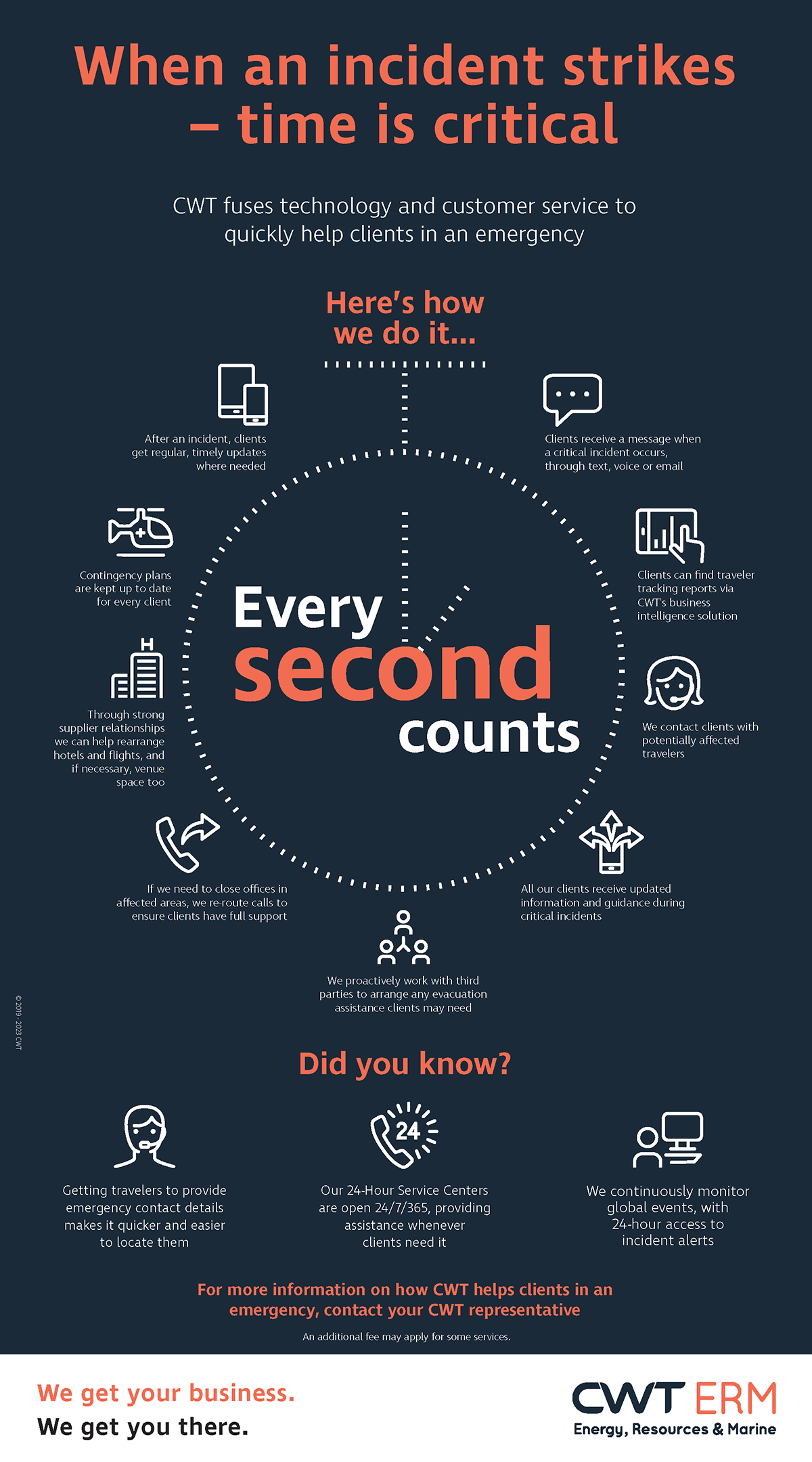
Every second counts when an incident strikes
Click image to enlarge Image credits: CWT
-

Oil and gas client uses highly restricted currency on local travel services with the support of CWT Angola expert team
Results at a glance
- Client able to move the ticketing to CWT Angola in order to spend Kwanza on travel services
- Agents located in Portugal support operations based in Angola
- Agents in Portugal able to provide a high level of service and are more experienced
- Client can spend Kwanza and booking is no more expensive than booking in other currencies
The challenge
For those managing business in countries where governments have banned the local currency from leaving the country, it can be a challenge to find ways to spend locally earned revenue.
An oil and gas company, which had been a client of CWT since many years, was servicing its business in Angola from CWT South Africa. At the time, it had a problem managing revenue earned in the local currency. Due to currency restrictions, it had become increasingly difficult to transfer money out of Angola. They needed to find a way to spend Angolan Kwanza on its business travel services locally.
The solution
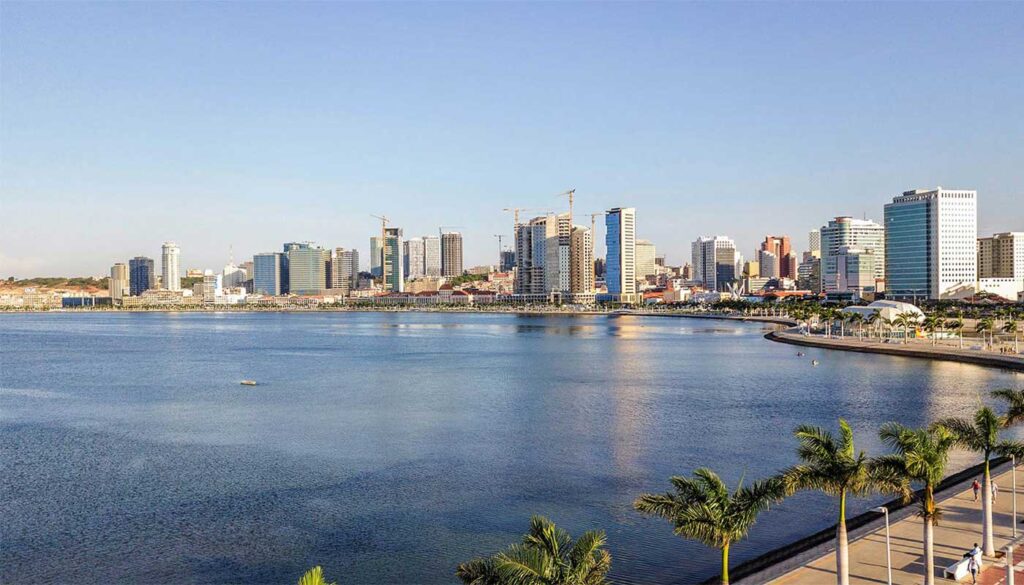
The client decided to move its business to CWT Angola in order to be able to use Kwanza when paying for the company’s Angola flights and local services. CWT ERM ensured that CWT Angola could issue almost all tickets in Kwanza, resulting in seamless payment and ticketing of flights to and from Angola.
The Angola agents are supported by a team of experts in Portugal for more complex itineraries and services which ensures high quality of service and experience to the customer. This service configuration also regulates costs for the client. While international fares are generally slightly more expensive when booked via Angola, the ability to use the local currency reduces this price, dependent on client travel policy and routing.
The result
CWT ERM’s oil and gas client can now spend Kwanza when paying for its local travel service, and the company has been using this service for the past four years. Booking from Angola is no more expensive on average than booking from other countries, and CWT Angola has both local and international agents with vast experience in servicing global accounts, as well as meeting compliance standards required for international regulations.
Need to know details
Airlines that we can issue tickets in Angola, but only if Angola is the departure country:
- TAP
- TAAG
- KQ
- ET
- TM
- EK
Airlines that we can issue tickets in Angola, if Angola is the origin or destination:
- SA
- AF
- LH
- EK
- KL
- SN
- LX
-

Female trailblazers – 2 CWT leaders share their experiences in the energy, resources, and marine sectors
Integrating diverse worldviews is a significant business advantage that cultivates innovation and adaptability. At the end of the day, organizations are a reflection of society.
At CWT we are committed to fostering an environment that promotes diversity, inclusion, and equal opportunities for all, regardless of our ethnic and cultural backgrounds, age, sexual orientation, disability or gender.
Nevertheless, when looking at a sector like Oil, Gas and Mining – women are poorly represented (22.7%), according to the World Economic Forum’s Global Gender Gap Report 2023. We had a chat with some of the top executives at CWT Energy, Resources & Marine (ERM), CWT’s specialized division, to gather their views on industries still very much dominated by men.
Danièle Gadbois, Vice President, Global Sales, leads the global ERM business development efforts after holding different executive roles within CWT’s Customers organization. She was awarded the GBTA Business Travel Professional Service Award.
Lucy Gibson, Traveler Experience Senior Director, oversees the counselor teams servicing ERM business globally. Once her two daughters were in school, she embarked on her management career, with one of the highlights being her involvement in Operational Excellence, earning her Lean Six Sigma Greenbelt certification.

Danièle Gadbois 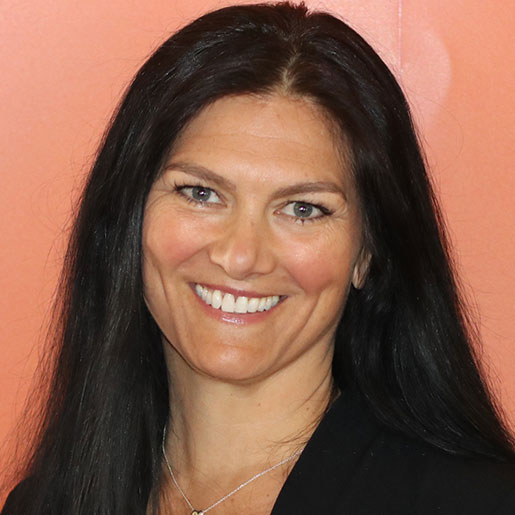
Lucy Gibson Diversity in the workplace brings many benefits to a company. Are you seeing a positive evolution in the ERM industry with regards to women?
Danièle: Yes! We are seeing more and more women taking positions of leadership within the ERM client base. Diversity and inclusion are top of mind for many of our clients. Despite the strides that have been made, there are still many areas where women are under-represented in the industry.
Why do you believe it is important to have women in decision-making roles in this traditionally male-dominated industry?
Lucy: I believe that the right person for the job should be based on the ability to get the job done effectively and efficiently. Bypassing a woman just because of her gender puts companies at a great disadvantage as they could be passing up the best ‘man’ for the role.
Have you had any experiences that have shocked you or reminded you that while there’s been a lot of progress, there’s still a long way to go?
Danièle: I have often had personal experiences of being the only woman in the room in a prospective business meeting or, depending on the culture, have been dismissed or undervalued in discussions. I believe it is important, regardless of industry, to do your homework. Understand who you will be meeting with, what cultural practices they may observe, and be sensitive to those needs.
Any that have really encouraged you?
Lucy: Many of our top ERM clients have women heading up their global travel programs. This is very encouraging to me as it illustrates that, more and more, companies are choosing the people to lead their companies based on credentials, not gender.
Renewables are the fastest-growing energy market and many industry sources affirm this is a field where women are gaining momentum. Do you agree?
Danièle: Yes, definitely! We are seeing more women in all sectors, from management to engineering to grassroots development be included as employees in the renewable space. Renewables are the future. Potentially because they are focused on tomorrow and are new and up and coming companies, their leaders have taken gender equity more seriously. There is still a way to go, but we are seeing progress quicker in this sector.
What’s the business case for gender diversity within certain areas of ERM?
Lucy: I feel that renewables represent a new era of ERM, one that is more open to equality and modernism. This sector is all about innovation and looking to the future where our daughters will not know the boundaries that our mothers did. In order for there to be true equality, women need to enter fields currently dominated by men. Even though more women are entering the ERM industry, they are traditionally doing it in HR, administration, accounting, or counselor roles. By encouraging non-traditional paths we will, in turn, see the equality scales even out.
What are, in your opinion, the main challenges women face to enter the industry?
Lucy: Credibility. Even though you do not see many women at senior levels within the industry, you see even fewer as roughnecks on an oil rig or as merchant seamen. This represents a challenge in articulating that you know their business without having walked a day in their shoes. Knowledge is key in these situations, proving that you have invested the time to understand their concerns, and providing effective solutions to their issues.
What can companies do to attract and retain women throughout their career?
Danièle: Offer policies to help support children and families. In order to advance in leadership in the ERM field, many companies require international experience. Companies who can make those international opportunities easier for women and families to achieve will ensure women can gain the experience they need to move forward within an organization.
Safety and security is always a concern in ERM travel, especially as many key markets or exploration hubs are located in volatile areas. What can companies do to address specific concerns for female travelers?
Danièle: Companies need to work with their risk management departments to ensure travel policies have sections built in specific to women’s safety. They can work with organizations such as GBTA to gain case studies and references from other companies who have done this. Also, many companies in the ERM space will work with third party safety and security companies who can help make recommendations to policy. The most important aspect is to think of women as a subsection of the traveling population and ensure the current travel policy addresses the security needs for all travelers – women included.
What would be your advice for women seeking careers in ERM?
Lucy: If this is a space you are interested in, hard work, networking, and knowledge are key. Learn about the roles that interest you, obtain the credentials you need to be taken seriously, and request to be taken on as an intern to gain experience.
Find out more about diversity and inclusion in CWT’s Annual ESG Report
Image credits: CWT & Adobe Stock
Tell us about your travel program
If you’re ready to talk about how we can help you and receive communications about our products and services, please click the button below and fill out the form.
-
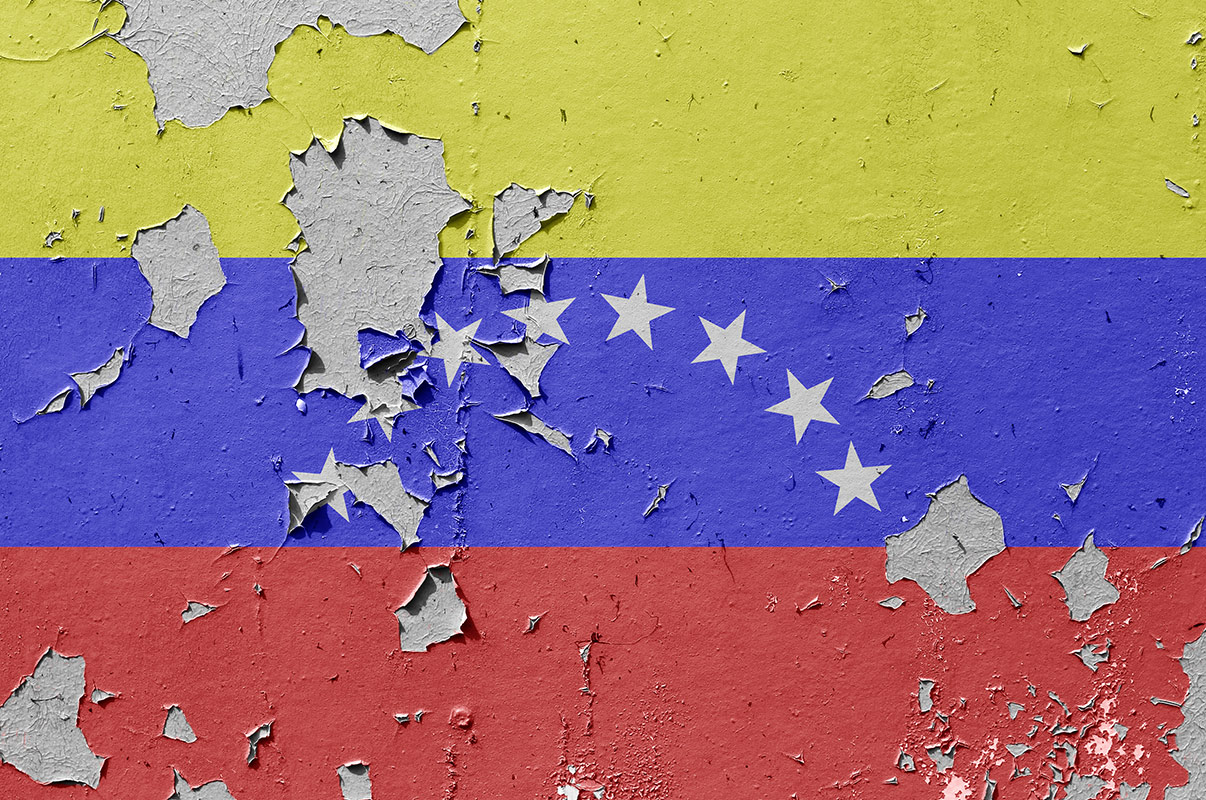
Expert support in times of crisis: Robust safety and security processes bring peace of mind in the face of political unrest in Venezuela.
The challenge
CWT provides expert support in times of crisis
Growing political unrest in the South American country of Venezuela reached a tipping point. The situation meant that CWT needed to act fast and help one of our customers, a leading energy company, to execute its duty of care and evacuate the families affected by the unrest.
Our customer planned to get families of their employees to interim safety in either nearby Curaçao or Trinidad and Tobago, using the company’s fleet of private planes. Each of the evacuees needed a place to stay, and secured onward flights to ensure their safe return home. All in the middle of a fast-changing and volatile situation.

The solution
Peace of mind and dedicated support teams
Thanks to a collaborative effort between our valued customer and our dedicated staff, many of which were happy to stay on and help even in their own time, each of the family members were able to secure a safe place to stay before being safely relocated.
This result was achieved by our taking full advantage of the content in our travel counselor systems and hotel platform, our CWT Business Rates, and our relationship with a global hotel chain. It’s also worth noting that it succeeded, despite the fact that not only was the hotel chain not in our client’s hotel program but its corporate rates had sold out.
The result
Essential assistance, always on hand
Those affected by the crisis were able to use our 24-hour service, our dedicated emergency email and phone lines, and direct billing arrangements through our relationship with the hotel chain. With a combination of robust safety and security plans and excellent people in place and on hand to help, CWT was able to deliver what our clients needed in this crisis.

“Thank you very much for stepping up to the plate in this emergency situation. As always, we know we can count on you and the CWT team to keep our travelers safe and make their trips as easy as possible.”
Customer representative
-

Creation of a new standardized booking process for an oil and gas company to improve efficiencies and drive cost optimization
Results at a glance
- A reduction in the booking turnaround time, with significant cost benefits.
- Consistency in data used for financial reporting, workforce management, traveler tracking and duty of care.
- A single consolidated mobile itinerary that is available globally.
- Reduced booking touchpoints, resulting in greater efficiencies.
The challenge
An oil and gas company in Angola manages accommodation for more than 2,500 travelers and aviation arrangements for 1,500 passengers weekly, using a system created in-house. Planning was done manually in two different systems. This resulted in major communications gaps, lower operational efficiency and increased operational costs. It was difficult to retrieve information on demand and utilization of resources and assets; there was no statistical analysis or decision support; and accurate operational data was not available.

The solution
The company needed to remove planning and operational errors, improve productivity, integrate its system for managing camp accommodation and aviation arrangements, and create accurate visibility to its logistics operation for decision support. CWT Energy, Resources & Marine created a streamlined, standardized booking process for remote travelers that was able to handle last-minute changes and increased efficiencies that drove cost optimization. One interface managed both logistics and commercial bookings.
The result
Systems were simplified, with a reduction of multiple touchpoints and a single consolidated mobile itinerary that is available globally. All travel bookings – commercial and logistic – were incorporated through one interface. The reduced booking touchpoints resulted in greater efficiencies. The new booking process improved user experience, increased duty of care for travelers and provided cost optimization through improved utilization. Systems were automated and integrated where possible. The customizable solution offered a broad range of modules.
-
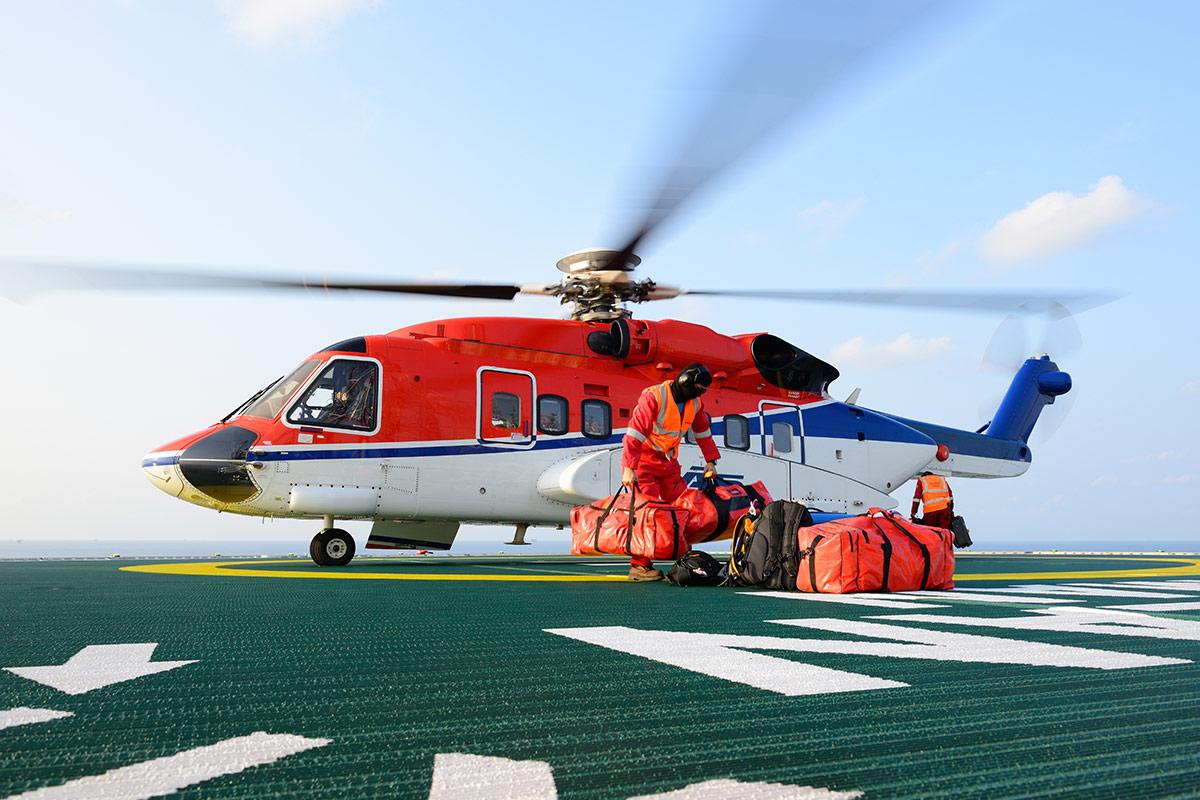
CWT ERM client support team offers a dedicated phone line and 24 hours service to safely evacuate 76 oil rig workers following an incident
Results at a glance
- Supported 76 evacuated workers.
- Opened a dedicated phone line until 9 p.m. – then from 8 a.m. to 1 a.m., backed up with a briefed 24-hour service team.
- Created traveler profiles created for workers not in CWT’s systems.
- Captured all relevant data for invoice reconciliation.
The challenge
An oil rig incident led to the evacuation of 76 workers. The crew’s employer had flown them to the mainland and arranged accommodation–but needed help providing onward travel. How would they resolve this unexpected situation outside of working hours?

The solution
CWT Energy, Resources & Marine quickly mobilized an assistance network. The client’s dedicated support team extended its working hours for extra convenience. A 24-hour service center then took over, offering support throughout the night. To clarify numbers, staff cross-referenced each crew member against a client-supplied list. In instances where workers did not have traveler profiles, the support team created temporary versions.
Having identified all personnel, CWT Energy, Resources & Marine then oversaw the booking process. Using a company-owned card, travel counsellors secured onward transport (both rail and flight) for every affected worker, as well as overseeing all ticketing and invoice requirements. Success depended on regular dialogue. With a quick turnaround needed, CWT Energy, Resources & Marine’s response team held regular conference calls to assess the operation’s status.
The result
By the following day, both dedicated and 24-hour teams stood down. With travel arrangements now complete, the evacuated workers could return safely to their site.
-
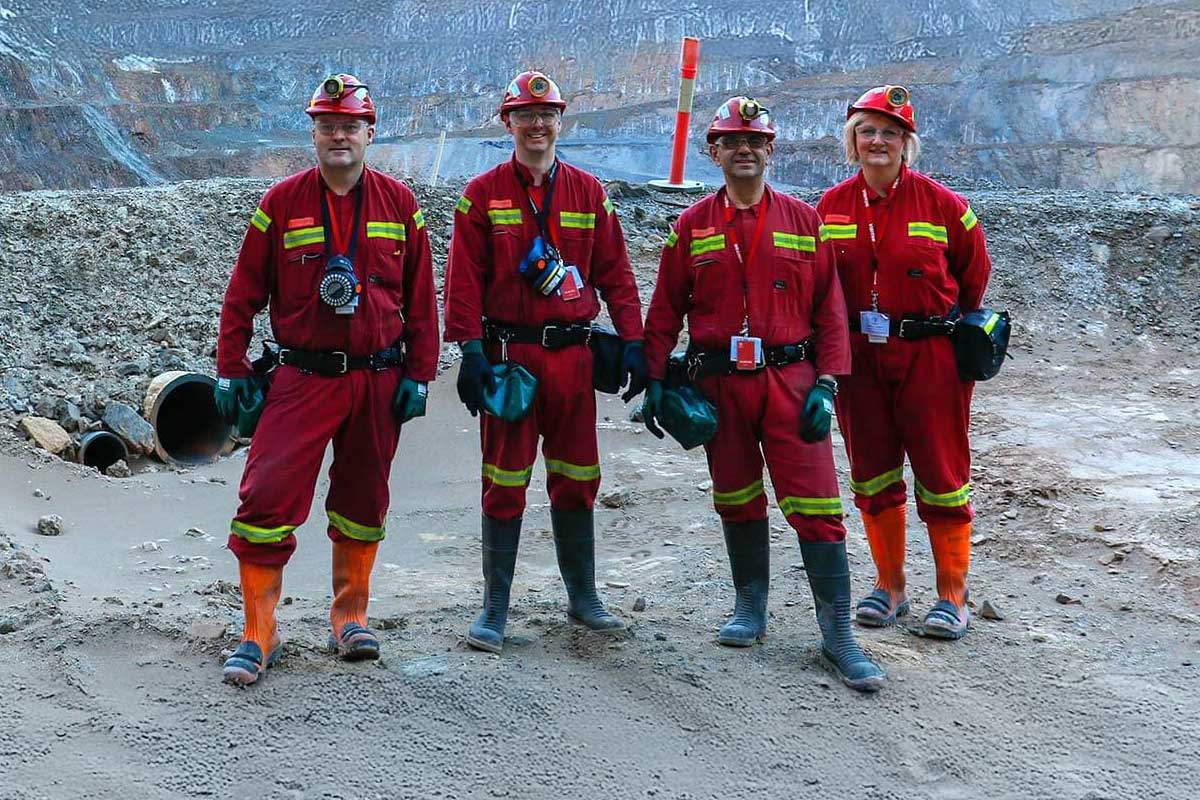
What it takes to work at Australia’s deepest mine
Simon worked as global program director in the Energy, Resources and Marine sector at CWT. Experiencing life as a miner has always been one of his goals. When the opportunity came to explore a copper mine owned by a CWT client in the Australian Outback, Simon was more than ready to go. Below is his first-hand account.
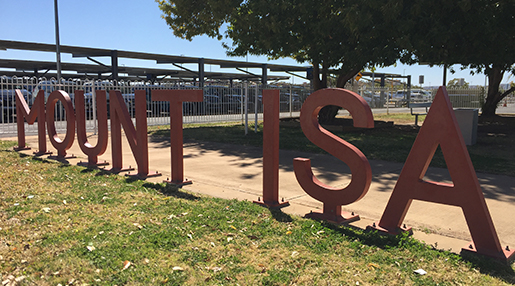
My journey deep inside a mine began in my home base of Perth. The destination: Mount Isa, the deepest mine in Australia, 5,187 kilometers (3,223 miles) away. The trip involved a four-hour hop across the continent to Brisbane, an overnight stay, followed by a two-and-a-half hour flight deep into Queensland, Australia’s great north west.
Gearing up
Upon arriving in Mount Isa, we headed to the mine office for a pre-safety check, sign-in process, and to get suited up in full mining gear. Our kit—all 10 kilograms (22 lbs.) of it—included a bright red jumpsuit, respirator, helmet with headlight, emergency oxygen supply, and a communication unit with a GPS tracker.
After going through a final safety check and confirming we understood the unique signals we can make with our headlamps to communicate from a distance underground, we were set. A rush of excitement filled me as I had never experienced anything like this before.
Into the mine
Inside Mount Isa Mines’ underground copper mine are 950 km (590 miles) of mining tunnels. Instead of taking the shaft, our hosts drove us in two utes (car-trucks popular in Australia) down the mine’s winding decline road so we could explore the plethora of tunnels. The utes were customized with a three-seater bench in the ute’s tray, complete with safety seat belts. There was room for only one passenger in the air-conditioned cab. I opted to go al fresco on the way in to get a true experience.
We drove for 10 minutes down a completed open-pit zinc mine to the portal entrance of the underground mine, then descended 300 meters (984 ft.) into the shadows.
At the tunnel entrance, the adrenaline went up another notch. Within seconds, we were engulfed in darkness, except for the orange glow of the flashing ute light that illuminated the tunnel walls as we drove through.
A truly unique sensory experience
Almost immediately, my senses began to go into overdrive. It was like being on a slow moving roller coaster with a persistent strobe light flashing from behind.
Then there was the sound. Every few minutes, the low rumble of huge fans in the distance grew louder as we drove nearer, which would build to a roar as we drove past. At 1,000 meters (3,280 ft.) below the surface, we stopped at one of five ‘crib rooms’ (air conditioned breakout room complete with fridge, microwave, toilets, etc.) used by miners on breaks. We explored a service area for equipment and trucks that was bathed in floodlights, while overhead, small blasts could be heard–the boom, boom, boom rumbling through my chest.
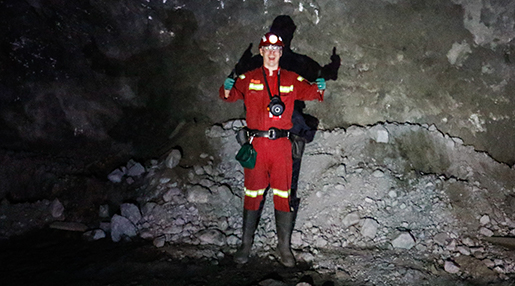
One mile below
The temperature rose the deeper underground we went. Soon, we hit a milestone. Literally. We were one mile (1.6 km) underground. This was the deepest we were going to go, although the tunnel continues for another 300 meters (984 ft.) beneath us.
After the obligatory photo op, we drove to a vast open area, 30 meters high (100 ft.), where they crushed freshly blasted rocks to be taken up to the surface. The heat from the machinery easily brought the temperature up to 40 C (104 F), which huge fan blasted fresh air into the area. The miners working the machines were covered in sweat and guzzled water down by the liter. The final stop was to the rock face itself, almost like a small siding, with a giant drilling machine that looked like it was from a sci-fi movie. This, I thought, was what mining is all about. Digging rocks out of the ground.
Into the sunshine
We then started our 40-minute drive back out of the mountain, only this time, I had the pleasure of experiencing it in the air-conditioned cab, facing forwards! When we finally got to the tunnel entrance and was hit by sunshine, there was a real sense of accomplishment as well as exhaustion.
The four hours we spent underground was an experience I will never forget. I came out of Mount Isa with a renewed appreciation for the people who work in the very many roles across the mining operation, how hard they work, and the important work that they do.. It has deepened my understanding of the role we play in the success of the Mount Isa Mines business, and depended my commitment to easing the journey for these hardworking Australians in any way we can.
-

Successful implementation of a crisis evacuation plan for 70 employees in Iraq prioritizing their needs and security with support around the clock
Results at a glance
- Supported 76 evacuated workers.
- Opened a dedicated phone line until 9 p.m. – then from 8 a.m. to 1 a.m., backed up with a briefed 24-hour service team.
- Created traveler profiles for workers not in CWT’s systems.
- Captured all relevant data for invoice reconciliation.
The challenge
A leading integrated energy company needed to evacuate its employees from Iraq because of a developing perilous situation. It had tested its crisis evacuation plan, which included simulating a land evacuation, because it was assumed air evacuation would not be possible. With limited departure options that were in continuous flux due to erratic conditions, the global energy producer needed help identifying and coordinating immediate travel arrangements and safe passage for its personnel.

The solution
CWT Energy, Resources & Marine staff worked with the company to review the crisis evacuation plan, determine priorities and investigate options. Later that week, 70 employees needed immediate evacuation. The company’s global travel staff worked with CWT personnel to provide around-the-clock logistical and booking support. Many transportation options were considered, and it was determined that air travel was not a viable alternative. The team arranged vehicle convoys and buses to safely drive the staff to Turkey.
The result
All 70 travelers arrived safely at their destinations. The team drew from its local knowledge and experience acquired during preparation drills to arrange group transportation and prepaid hotel accommodation. They also coordinated loans and travel arrangements for all evacuees through their flights home. Throughout the ordeal, safety and availability – regardless of cost – were the priority, and exhaustive documentation and communications processes fueled success. The company recognized CWT for its exemplary focus and support.
-
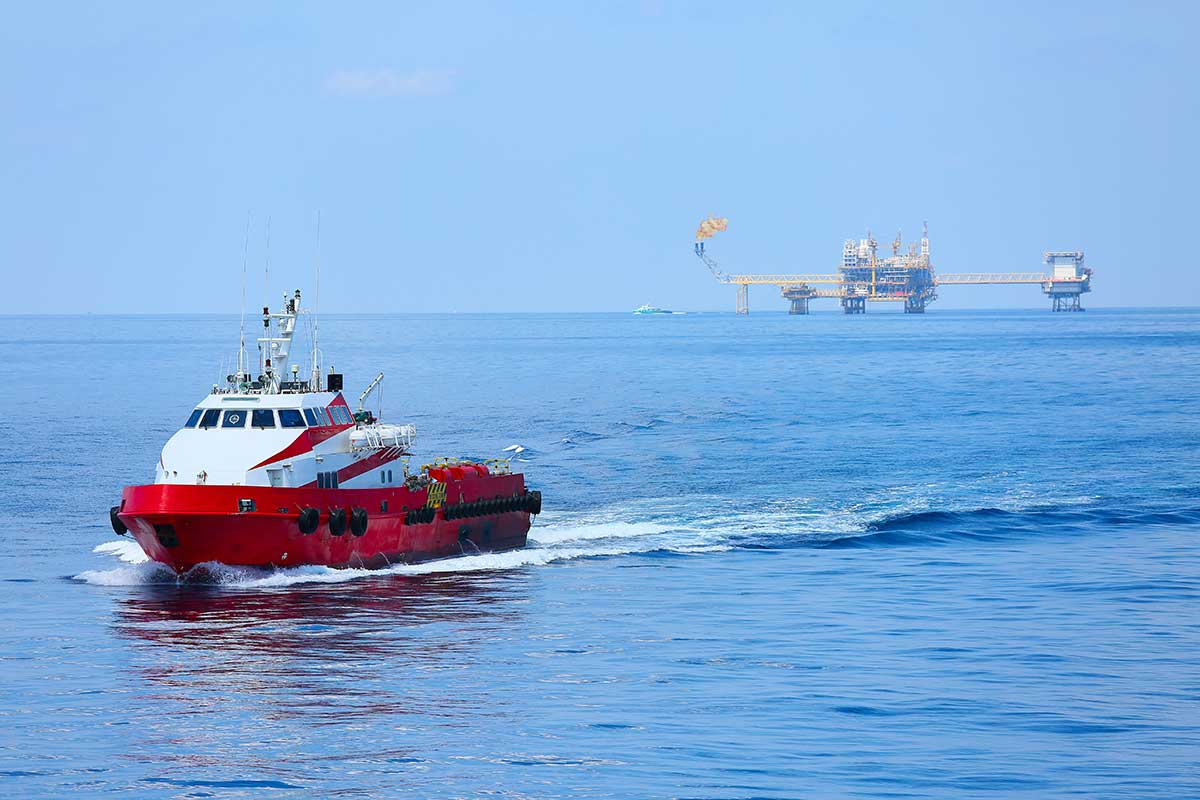
What it takes to book crew travel – Discover why CWT Energy, Resources & Marine is the leading expert in travel to complex destinations
Carlos specializes in crew rotations for our oil and gas clients. Outside of work, he likes to keep active with a lot of walking, cycling, and “goofing around” with his teenager. Carlos loves exploring Dutch Harbor on foot and told us, “The views never disappoint.”
Join us behind the scenes to learn how Carlos delivers the perfect trip for crew members.

There’s no such thing as an average day
I support many of our oil and gas clients with their crew rotation and corporate travel needs.
Our top priority is to deliver a perfect trip. I make sure I take the time to counsel the people I support and give advice in these very specific areas of travel. Booking reservations is just the high-level definition of what we do on a daily basis. I take the time to advise and give recommendations. I listen to the needs of our customers, provide consistency in service delivery, and build a rapport to become a trusted advisor.
My most significant day at work was the Deepwater Horizon incident in 2010. The call came in at 2am, and we worked around the clock to support in any way we could.
How to deliver the best traveler experience
Delighting the traveler is a priority. When booking travel, I put myself in the travelers’ shoes, and provide the kind of service that I would want. I pay close attention to the smallest details to create the best experience. I make it a priority always to be friendly and welcoming. Providing a great customer experience from the beginning lets our clients know that we have their best interests in mind and that they can trust us.
The power of CWT
CWT supports me to do the best job I can by encouraging us all to share recommendations on process improvements. This is key to our success. CWT is always investing in upgrading our desktop solutions, so we’re as accurate and efficient as possible in our jobs. For instance, our email management tool allows the agents, clients and managers to get insight into how much work it takes to complete a rotation of any kind and helps streamline operations and processes.
Knowing the market
Booking and ticketing is not all we do. We establish and organize intricate crew rosters, locate missing travelers, and provide detailed reporting.
The logistics behind crew operations are complex, so it is important to understand oil and gas crew operations. Itineraries for this area are complex and vast because there are people traveling from all over the world that have to meet at one point. Those points are constantly changing. You have to be highly detail-oriented and organized to manage them properly.
Image credits: CWT & Adobe Stock
-
ERM mobility – an expert’s insight
How ERM mobility simplifies travel logistics for workforce rotations
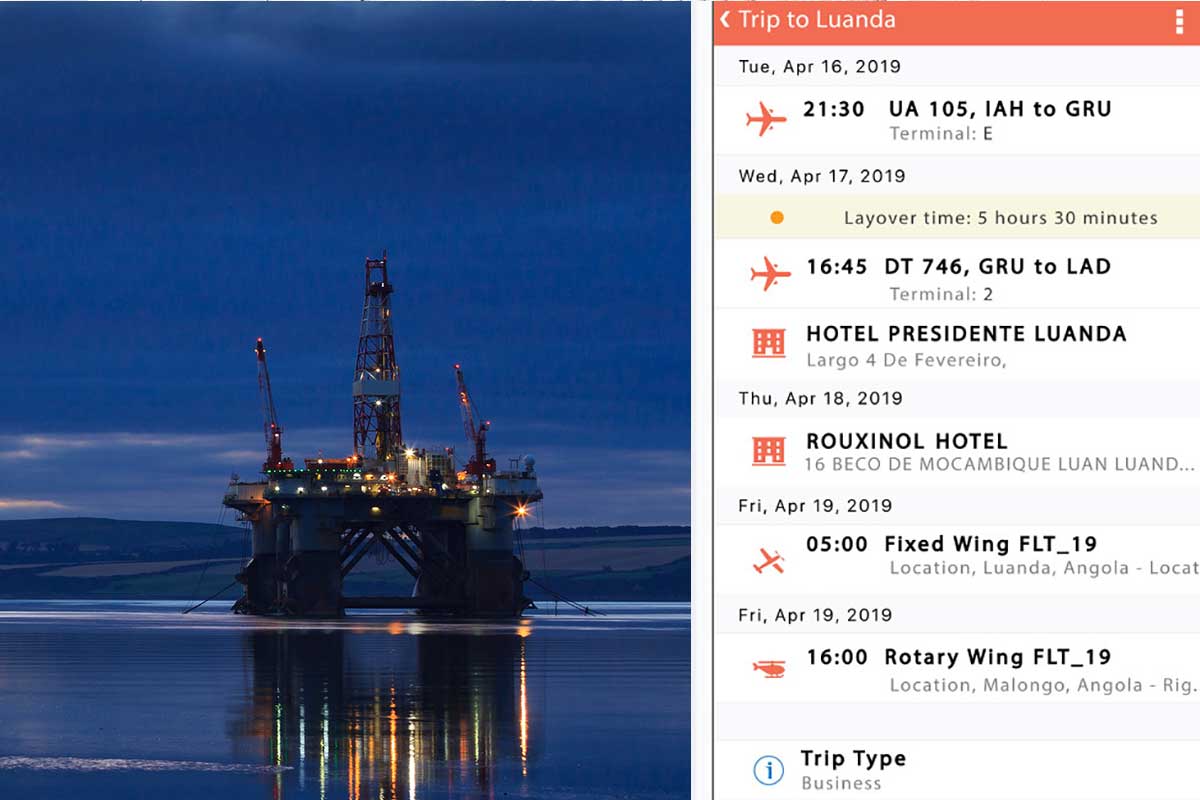
Our new workforce mobility service solves the problem of disconnected platforms and lack of visibility of the full workforce rotation by integrating commercial and remote site workflows into one consolidated process. We are empowering companies that manage complex workforce rotations to save money, reduce process times, and improve the experience for travel managers and traveling employees alike.
We spoke to Beverly McCabe, CEO of leading technology company, Innfinity, and CWT partner, about how we have worked together to deliver the future of seamless travel management.
Read on to find out.
CWT ERM: What can companies achieve with ERM’s mobility service?

Beverly McCabe: ERM mobility helps companies manage the many moving parts that comprise a crew movement more seamlessly. Ensuring all bookings are in sync enables companies managing crew movements to save considerably by improving their use of chartered transport, and purchasing more shrewdly when it comes to the commercial pieces.
How does ERM mobility help solve the pain points facing organizations that manage corporate and remote site travel?
BMC: I think communication is perhaps the greatest challenge these organizations face. When we were in the depths of getting our ERM product off the ground, we sat with staff at the offices of a few ERM companies that helped us to develop the product early on. We realized what a run-around it can be to get everyone who’s part of booking crew movements to be in-sync.
We first had to speak to the department managing the workforce housing (camps, lodges). Then we had to speak to travel coordinators managing charter flight schedules. And finally we had to work with the TMCs to understand the commercial piece, often complex in its own right. The greatest challenge ERM companies face comes from the siloed nature of organizations and the lack of communication between functions.
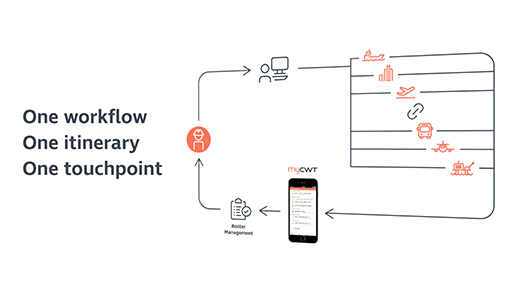
What we have built creates a single source of truth. It provides a bridge for different departments to come together and book these complex crew movements more efficiently.
What are the benefits of closing the gap between commercial and remote site trips?
BMC: I think the fact that all bookings are housed in one system makes all the difference. When bookings are in sync, it’s simple for travel coordinators, travel managers and other involved parties to look at the same booking from the same tool and identify where the gaps and overlaps of crew traveler movements are. When there’s one system, the responsible parties can jump in to create, modify or cancel bookings as necessary.
How does ERM mobility improve the experience for logistics managers, travel managers and traveling employees?
BMC: For logistics managers and travel managers, it puts them all on the same page, which greatly reduces the stress of worrying about whether there are gaps in a crew traveler itinerary. For travelers, it ensures bookings are complete and contained within a single itinerary, making their journey to and from site that much smoother.
What sets ERM’s mobility offering apart from other platforms on the market?
BMC: A lot of other offerings provide a fragmented booking experience, mirroring the historical way that crew movements have been booked for decades. They fail to re-think the way rotating workforce management can be done, as they don’t bring all bookings together into a single source.
What does implementation look like?
BMC: Implementation is concise but does require customization. Most companies have a unique way of operating their crew movements, typically with unique travel requirements, so we conduct a brief analysis to better understand all the different components of a crew traveler’s journey before the system is set up. Once set up, we also make sure to provide in-depth training for travel managers and travel coordinators to ensure all parties are comfortable with the way the system manages these various booking types.
What kinds of success have you seen?
BMC: Companies using ERM mobility have uncovered savings resulting from the decrease in “no shows” for their crew bookings. This is one of the most exciting aspects of bringing together all parts of crew movement booking. When companies more efficiently fill the seats on their charters and manage their commercial bookings more tightly, they save a lot by maximizing the usage of their resources.
What are you most excited about the launch of CWT ERM’s mobility service?
BMC: CWT ERM offers years of experience managing these types of bookings and is a leader in the space. I think it’s fantastic that CWT ERM is actively bringing together all these moving pieces for companies booking crew travel. They’re helping companies move to the next level in crew movement management.
Image credits: CWT & Adobe Stock
-

Good migrations: 3 ways to be a more sustainable business traveler
As highlighted in our 2020 Global Travel Forecast, geopolitical and environmental issues have made predictions for travel trends volatile.
Amidst issues like Brexit, a rise in natural disasters fueled by climate change and increased political turmoil, it’s easy to feel helpless in uncertain times. However, face-to-face contact is an essential part of business. Make it a personal goal to be a more sustainable traveler and you can part of the solution rather than the problem. Here are three ways to be a responsible business traveler.
- Progressive policies – Ask your company to review its travel program.“A lot of companies include more generic travel policy statements and instructions about environmental travel, while some clients even steer employees towards more earth-friendly alternatives,” says Chris Bowen, Managing Director EMEA, “examples of this might include, changing from flights to trains, stating a certain kilometer or time limit, under which you cannot fly, or encouraging travelers to suppliers which are using modern and fuel-efficient fleets”
Ask your company to work with a travel manage company to optimize travel. They could select a location which creates fewer emissions, choose hotels that have an established environmental program or select more vegetarian food over meat..
- Leave no trace – Bring reusable shopping bags and coffee mugs, drink filtered or tap water where safe and only ask for towels and sheets at your hotel to be changed, when absolutely necessary. Also, consider the supply chain, “three specific examples immediately come to mind,” says Chris Bowen, “the introduction of soap and shampoo dispensers by many hotel chains, replacing individual plastic bottles and transportation being provided in hybrid, or electric cars.”
- Money where your mouth is – If you have downtime seek experiences with a social purpose such as London Unseen, which conducts tours with the homeless or Courageous Kitchen in Bangkok, a social enterprise cooking school. When shopping for souvenirs, buy local products and services that favour ethical suppliers and support local workers.
Find out how to manage your travel in uncertain times in our 2020 Global Travel Forecast.
Image credits: Adobe Stock
- Progressive policies – Ask your company to review its travel program.“A lot of companies include more generic travel policy statements and instructions about environmental travel, while some clients even steer employees towards more earth-friendly alternatives,” says Chris Bowen, Managing Director EMEA, “examples of this might include, changing from flights to trains, stating a certain kilometer or time limit, under which you cannot fly, or encouraging travelers to suppliers which are using modern and fuel-efficient fleets”
-

A global energy company saves an average of $345 per trip thanks to Price Optimization and its innovative technology to monitor fast-changing fares
The challenge
A global energy company knew that there was an opportunity to identify significant savings on fluctuating airfares. But, it couldn’t find the right technology to monitor the fast-changing fares.
The solution
Enter Price Optimization. Working with CWT and its central fulfilment team, the company was quickly able to implement a post-ticketing solution. Price Optimization started by looking at airfares purchased in the US – including non-penalty tickets and tickets still in the void window. It then tracked hotel rates in the US, before expanding to key markets including the Netherlands, Germany, Australia, Singapore, Canada and the United Kingdom.
The result
Since inception, the client has realized savings of 1.05% of US air spend and 1.77% of US hotel spend. Their average saving is $231 per air rebooking and $114 per hotel rebooking – resulting in a possible per trip average saving of $345. CWT’s solutions have also helped to reinforce advanced booking behavior endorsed by our customer.
With the success of the initiative, the client has started rolling out our solutions to multiple other countries as they become available, enabling even more company-wide money saving opportunities.
“I was actively looking for an opportunity to introduce fare optimization into our organization. I know that fares change on a regular basis, and wanted to figure out a way to identify and act upon the savings. We were also being challenged by employees who were telling us they could find lower airfares out in the market.”
Corporate Travel Operations Manager for the energy company
“Price Optimization came along at just the right time.”
Corporate Travel Manager