
Introducing the latest myCWT product and service enhancements
Building on our digital, omnichannel myCWT platform, our new products and services will simplify travel management for you and your employees – anytime, anywhere, anyhow.
Note: Featured services may not be available in your country at this time. Please reach out to your CWT representative for more details.
Hear from Chief Product Officer, Erica Antony as she shares the key product highlights of 2024, along with the key areas driving innovation.
-
2040: Baseline, Boom or Bust
As we enter an era of rapid transformation and unprecedented challenges, it is essential for travel managers, meeting & event planners, and corporate decision-makers to look ahead and frame our current strategic thinking with a clear vision of the future. Business travel and meetings and events (M&E) are poised for significant change over the next decade and a half, driven by a complex interplay of sustainability goals, technological advancements, evolving work models, and geopolitical dynamics.
In this paper to mark the 10th anniversary of our Global Business Travel Forecast, we explore, for the first time, a long-term vision of the future and potential trajectories through three distinct scenarios, each offering insights into how these forces should affect policy-making, budgeting and priorities. By examining these scenarios, we can better understand the diverse possibilities that lie ahead and the strategic imperatives required to thrive in each potential future.
Based on trajectory data analysis and interviews with industry leaders, behaviorists and climate tech founders, this forward-looking approach enables us to anticipate changes, strengthen our strategies, and make informed decisions that align long-term objectives. It is through this lens of foresight and adaptability that we can build resilience, seize opportunities, and navigate the complexities of the future.
We invite you to reflect on the insights presented, and consider how your organization can prepare for the opportunities and challenges that lie ahead. Together we can ensure that travel and meetings remain catalysts for growth, scalability and sustainable practices.
- Scenario development is both an art and a science
- Megatrends Shaping the Future of Business Travel, Meetings and Events
- Sustainability goals the new crux of corporate policy
- Technology Revolutionizes Travel Management
- Modern work models spark new travel patterns
- Changing demographics open doors to new opportunities
- Three Scenarios: Base case, boom and bust
- Future-proofing strategies

-
CWT GBTA Global business travel forecast 2025
When it comes to pricing, global business travel has finally reached an enduring, higher baseline. Prices will continue to rise in 2025, but only moderately, so expect a period of normalized growth.
However, this pricing environment, one of marginal gains and price regularity, is fragile. Global leisure travel has now realized a lot of its pent-up demand, while corporate travel has been resurgent, with 2024 edging at preCovid levels.
There are many factors at play, whether its volatile oil prices, labor costs and constraints, inflationary pressures, and geopolitical factors. As this elevated baseline edges upwards, albeit marginally, travel budgets will come under increased scrutiny, especially as travel patterns and attitudes change.
It’s why business travel can’t be viewed in a silo, and the true value to an organization must be fully realized. This forecast can help with those calculations.
-

Capitalize on emerging technologies in corporate travel
Technological advancements are accelerating at an unprecedented pace. How will emerging innovations like Generative AI, blockchain, and self-sovereign identity (SSI) transform corporate travel?
BTN and CWT probed global CEOs, travel managers, industry consultants and tech experts on the promises, questions, and expectations these innovations raise and how they are set to reshape traveler experience, cost control and service delivery in corporate travel and events.
Download and discover
- The technologies that will have the greatest impact on corporate travel in the next 2-5 years
- How these emerging technologies are poised to control costs, enhance service and security, and boost efficiency
- The critical challenges, opportunities, risks and roadblocks each innovation raises
- What travel managers, buyers and experts anticipate from these innovations
-
Seven lessons from a global pandemic
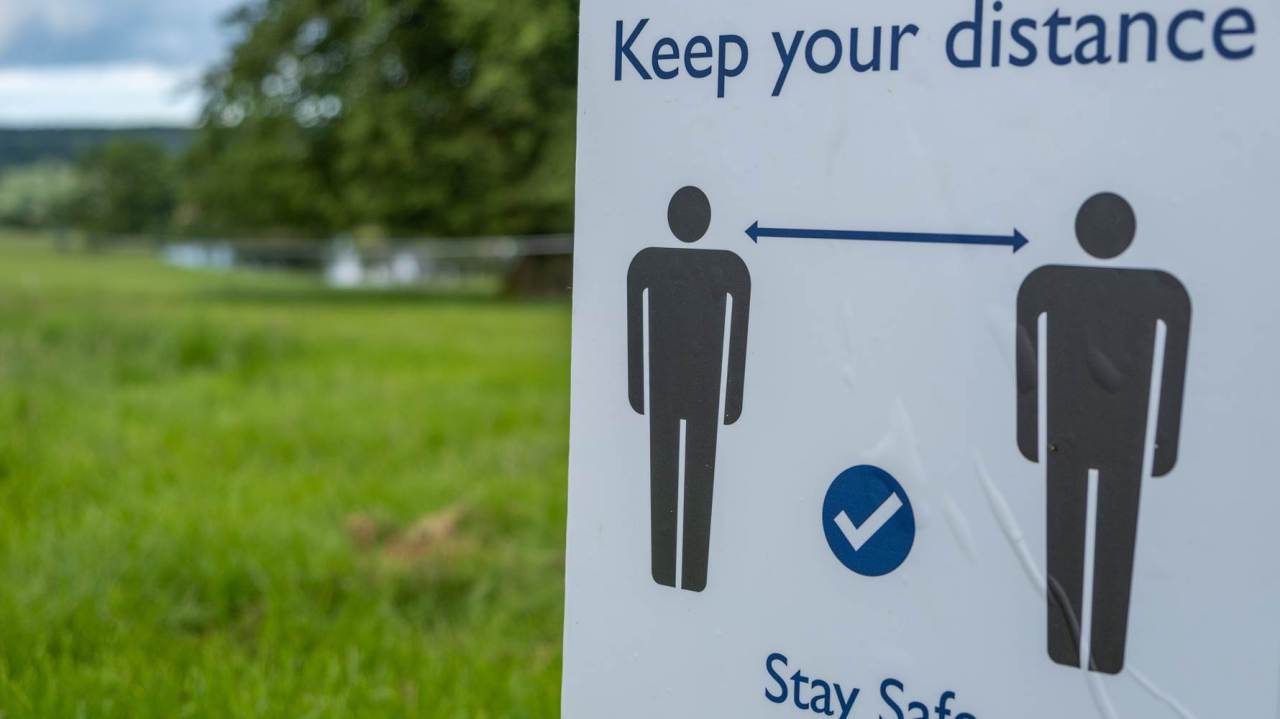
The COVID-19 pandemic has had an enormous impact across the events industry. Almost all live meetings and events were cancelled or postponed in 2020 and 2021. In an ever-changing situation, with different restrictions at country levels, we quickly adapted our procedures to protect our clients and provide suggestions based on our experience and knowledge of the industry, with many lessons learned.
Lesson 1: Risk management sets the foundation
The perception of risk changed in 2020. Now more than ever, risk assessments that predict, prevent, respond and recover from targeted threats and risks, including pandemics, are a must. Our teams received specific training in how to adapt their event planning to align with COVID-19 regulations, globally and by country. In parallel, we have clear guidelines in place to ensure our clients are well protected against financial penalties for events that are impacted by COVID-19.
Lesson 2: Safety and security of attendees is top priority
While some small meetings continued to operate in some parts of the world during the pandemic, our clients were challenged with ensuring they knew the exact status of every attendee at all times. Having a robust list of preferred suppliers in place was essential to maintain confidence for meetings to continue during these extraordinary circumstances. Traveler and attendee tracking and safety and security remain our meeting planners’ top priority as we emerge from the pandemic.
Lesson 3: Virtual and hybrid are here to stay
Our clients were forced to divert their attention to virtual and hybrid events. The pandemic accelerated an initiative that started years ago. What was unimaginable in 2019 became reality in 2020. What this has taught both clients and meeting planners alike are the benefits of streaming, virtual reality and online collaboration. Hybrid caters to both worlds and allowed many clients to still meet face-to-face in smaller numbers (where restrictions allowed) but with a mainly virtual audience.
Lesson 4: Readiness for the unexpected
The crisis reinforced the need for clients and meeting planners to quickly adapt and become agile very quickly with their processes. A virtual and hybrid meetings policy specific to meetings and events will give structure to your company-wide events program. By investing time and knowledge here, our clients are able to communicate clear messaging across their business, allowing staff to understand what they need to do when the unexpected arises.
Lesson 5: Mental health should be taken seriously
We all became very aware of how much we need that face to face interaction. Our industry is built on the foundation of human contact and social networking. We supported our staff during this period, in particular our younger colleagues, by maximizing the use of our own technology to keep in touch and collaborate with many of our partners to create virtual incentives to keep morale high across teams.
Lesson 6: Trust is essential
In normal times, CWT M&E works towards building mutual trust with our clients. Our event planning teams excel in how they handle our client event programs, taking time and focus to lean in and become part of their experience. This strong foundation has ensured that with challenges, such as COVID-19, we have been in pole position to generate new and effective solutions and quickly, and resolve any problems that may arise.
Lesson 7: Effective communication is crucial
In normal circumstances clear communication is key; during a crisis, they make all the difference. For CWT M&E, transparency and empathy were a priority. Our proactive approach to keep in contact with our clients during the pandemic and support them with robust crisis management solutions helped them to adjust to the constantly changing conditions.
Image credits: Adobe Stock
-

CWT joins Diversity in Hospitality, Travel & Leisure (WiHTL)
CWT, the Business-to-Business-for-Employees (B2B4E) travel management platform, today announces it has joined Diversity in Hospitality, Travel & Leisure (WiHTL) to augment the company’s aim of creating and fostering a workforce that reflects and contributes to the diverse, global community in which it operates.
“Each person offers a unique set of ideas, beliefs and skills shaped by their heritage, background and culture, and we consider this diversity to be our most important resource,” says Catherine Maguire Vielle, CWT’s Chief Human Resources Officer. “As a part of the WiHTL community we are pleased to be playing our part in making a positive impact not just in our own company, but to the millions who work throughout our industry.”
“We’re thrilled to welcome CWT to WiHTL’s growing Collaboration Community, comprised of leading hospitality, travel and leisure brands unified in a mutual desire to share best practices in diversity, equity and inclusion in order to drive forward meaningful progress in creating inclusive workplaces for all,” said Tea Colaianni, Founder & Chair, WiHTL.
CWT is a leading global partner in business travel, meetings, and events. Operating across six continents, we deliver sustainable, tailored solutions that help organizations connect, engage, and thrive in an evolving world. Our myCWT platform integrates advanced technology with human expertise to simplify travel and enhance traveler and attendee experiences. Extensive global coverage, seamless data integration, AI-driven analytics, and carbon-conscious travel tools enable businesses to optimize their travel and meetings programs while delivering measurable value.
With 150 years of industry experience and a deep commitment to partnership, CWT collaborates with clients to shape the future of business travel and events, making them more efficient, responsible, and impactful.
Women in Hospitality Travel and Leisure (WiHTL) is a collaboration community devoted to increasing diversity and inclusion across hospitality, travel and leisure. WiHTL’s mission is to support companies across the Hospitality, Travel and Leisure industry to create diverse and inclusive environments and to positively impact 5 million employees globally by 2025.
-
Strong customer authentication – What to expect as we move into 2022
It seems like the travel industry has been talking about strong customer authentication (SCA) for aeons. In fact discussions started back in 2017. As we move into 2022, it’s a good time to better understand the complexities and to recognize that a complete roll-out of SCA will be an ongoing development.
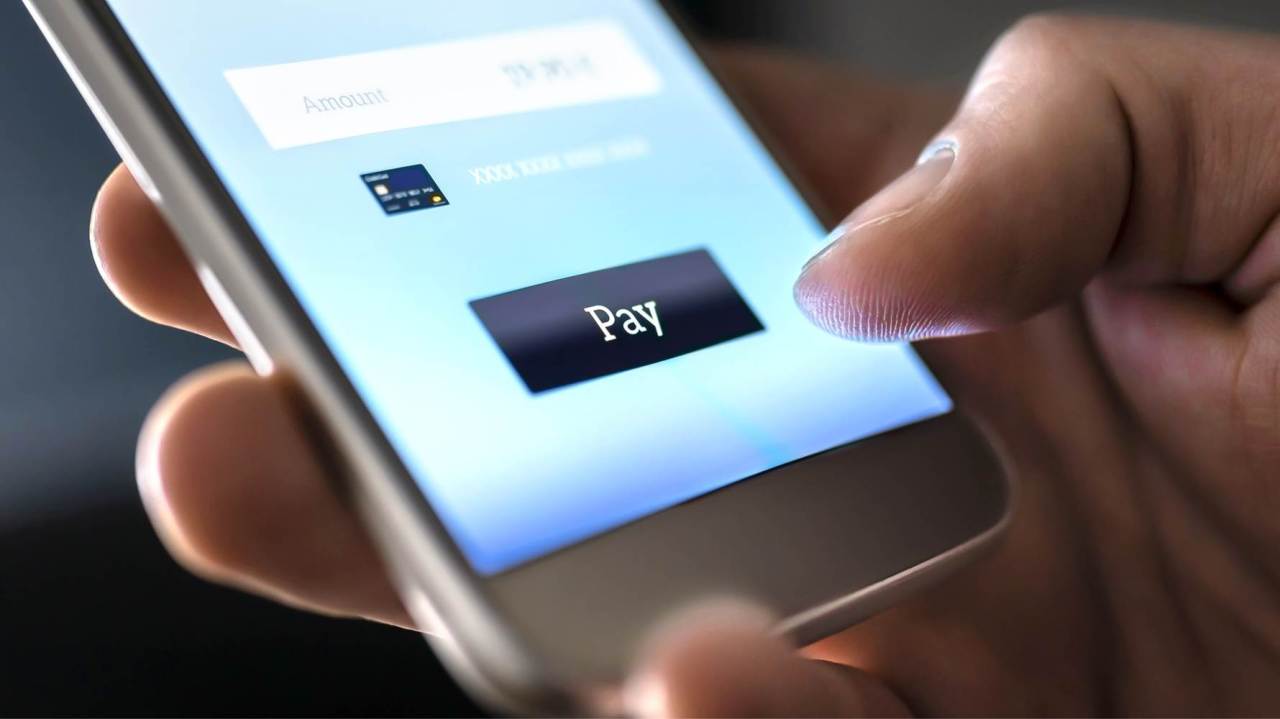
SCA means that for each electronic payment, subject to some exemptions, the cardholder must be authenticated, i.e. verified by at least 2 out of the following 3 factors:
- Something the cardholder knows such as a password, PIN code, or secret fact.
- Something that is inherent to the cardholder such as a fingerprint, facial or iris scan.
- Something the cardholder has like a mobile phone, smart card, badge or token.
You have likely experienced SCA in your own personal credit card transactions such as when you have needed to add a special code or password before you can complete the transaction.
The process to execute is complex but reasonable as we consider that CWT like all participants within the travel supply chain are guided by the European Banking Authority and National Competent Authorities, regulators who are responsible to establish the working framework for SCA.
Regulations and development of systems supporting SCA are subject to interpretation laid out by card schemes, and in turn subject to interpretation by card issuing banks. These market actors define the precise rules and impacts within any supply chain including the travel industry, including air, car, hotel, rail, and travel management companies. Layer in the depth and complexity of travel corporate travel chain from booking platforms, through agents, consolidators and aggregators, to the disconnect between time of reservation and actual card charges by merchants, (e.g hotels) you can begin to see the challenge that regulators and the travel industry face.
It’s regulators who prescribe the rules. As schemes and banks continue to interpret and adapt the rules, importantly on the various exemption options and their implementation throughout the travel supply chain, CWT will adopt accordingly as those changes occur. With a focus on the MOTO (Mail order/ Telephone orders) rule to date, CWT has implemented changes to ensure the best experience for your travelers when making bookings with our counselors today. We continue to focus on re-engineering our systems to address the right processes and systems to meet the demands of SCA as we know them today all the while anticipating future requirements.
As we continue to move forward, CWT looks to the industry and to regulators for guidance and clarity to ensure that we adapt to future needs thus ensuring the best experience for your travelers.
In the meantime here is how you can be prepared as things progress with SCA into 2022.
- Contact your bank to understand your exposure – consider partnering with someone in your finance department for their expertise during these discussions.
- Ensure you know your bank’s SCA protocol and provide guidance to your travelers on how to respond to SCA requests so that they won’t get stalled with payment and completing their transaction.
- Work with your CWT Client Advisor to analyse your booking patterns and how they could be impacted by SCA – read our second blog in this series for more information.
- Travel arrangers who use individual traveler credit cards to make reservations need to expect disruption with SCA. Have you considered lodge or virtual cards to eliminate any challenges in these instances?
Image credits: Adobe Stock
-
CWT joins Chief Executives for Corporate Purpose (CECP)
CWT, the Business-to-Business-for-Employees (B2B4E) travel management platform, today announces it has joined Chief Executives for Corporate Purpose (CECP) to augment the company’s plans to build long-term sustainable value and drive long-term business success through positive social impact.
“I am incredibly proud of our approach to responsible business, especially because of the important foundational role it plays in our culture,” says Michelle McKinney Frymire, CWT’s CEO, “and with the additional opportunities afforded by being an affiliate of CECP, we look forward to accelerating and further enhancing our plans to be a best in class employer, provider, and member of the local and global community in which we serve.”
“CWT believes being a good corporate citizen requires not only conducting business responsibly, but also fostering the values of community engagement, philanthropy, integrity, and leadership among all employees,” said CEO of Chief Executives for Corporate Purpose (CECP), Daryl Brewster. “We’re honored to have them join CECP where they will continue to build long-term sustainable value for all stakeholders by living and sharing these important values of corporate citizenship.”
CWT is a leading global partner in business travel, meetings, and events. Operating across six continents, we deliver sustainable, tailored solutions that help organizations connect, engage, and thrive in an evolving world. Our myCWT platform integrates advanced technology with human expertise to simplify travel and enhance traveler and attendee experiences. Extensive global coverage, seamless data integration, AI-driven analytics, and carbon-conscious travel tools enable businesses to optimize their travel and meetings programs while delivering measurable value.
With 150 years of industry experience and a deep commitment to partnership, CWT collaborates with clients to shape the future of business travel and events, making them more efficient, responsible, and impactful.
CECP was founded in 1999 by actor and philanthropist Paul Newman, and other business leaders. CECP is a movement of more than 200 of the world’s largest companies that represent $11.2 trillion in revenues, $23 billion in total community investment, 14 million employees, 30 million hours of employee engagement, and $21 trillion in assets under management. CECP helps companies transform their strategy by providing benchmarking and analysis, convenings, and strategy and communications in the areas of societal/community investment, employee engagement, environmental social governance/sustainable business, diversity equity inclusion, and telling the story.
-
Back to the future: Celebrating our heritage of 150 years in travel
‘If you want to know the future, look to the past,’ they say. We are at a time of year that’s ripe with reflection and ambition. As we all look back at twelve months of hard work – at what went well and what didn’t – and make plans for 2022, does it help to look further back than a calendar year?
Almost every society that has developed over thousands of years has attempted to preserve its history and pass on wisdom and experience to future generations. Learning one’s heritage is a reckoning, asking one to consider the legacies that will underpin future decisions.
Throughout 2022, we will celebrate 150 years in travel, taking a look at travel in the past and travel in the future, a future CWT is excited to shape and enable, and that is undeniably about innovation and forging new paths.
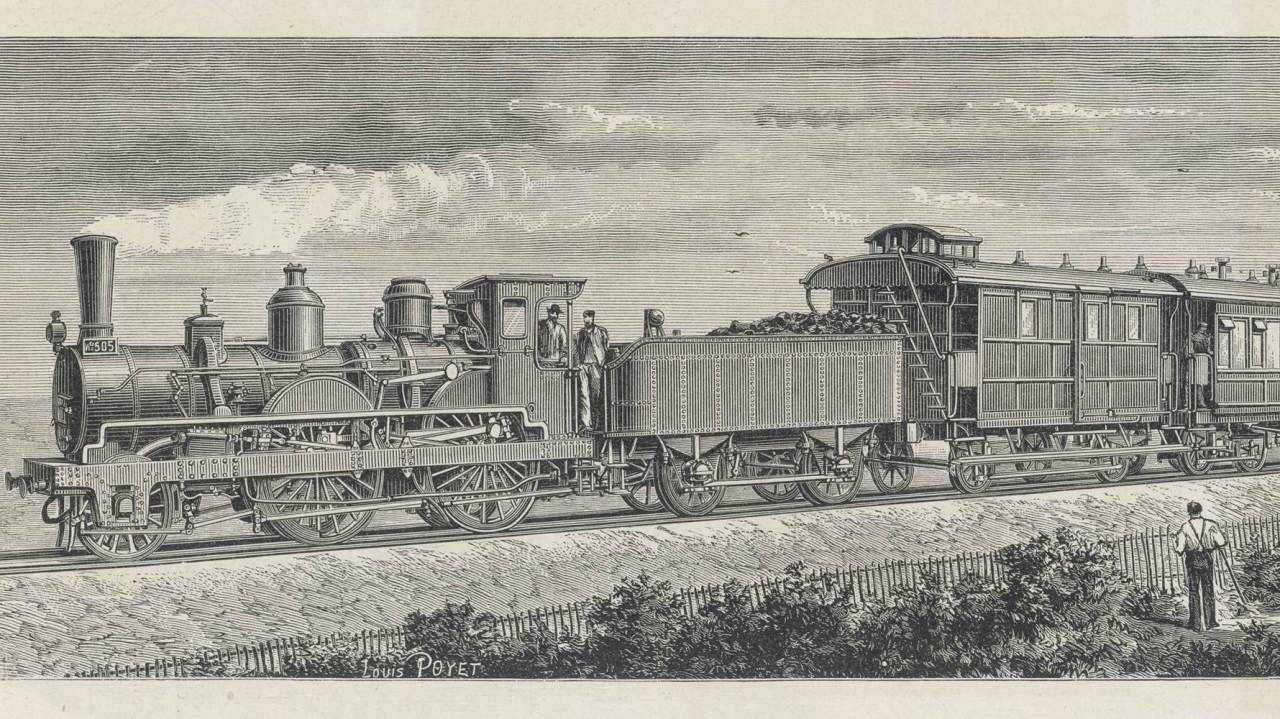
We trace our own heritage back to 1872, when Belgian engineer and industrialist, George Nagelmackers, sold the American concept of sleeping cars to European rail operators. Until then, passengers had stopped each night at the Grand Railway Hotel of the town they were in and continued their journey in the morning – so sleeping through the night while moving not only revolutionised the time involved, but also the manner in which it was done. So new was the concept that he had to establish a business selling the product itself, as the railways were not equipped to do so.
Another aspect of our lineage, and one of the earliest travel agencies in the US, Ask Mr Foster, was founded in Florida sixteen years later to handle burgeoning demand, and the pace of travel change accelerated from then onwards.
The first airline, the German Airship company DELAG, was founded in 1909, and the first scheduled commercial airline flight in the US (in a wood and muslin flying boat) took place in less than five years later. and, with the rapid growth of airlines in the 1920s, the age of commercial travel was fully upon us. And new opportunities kept coming to satisfy demand – the first airport rental car service, Avis Rent a Car was created in 1946, and airline reservation systems were developed to help with the incoming jet age of travel.
100 years after Mr Nagelmackers’ rail innovation, Carlson Wagonlit Travel was launched as the first truly global travel management company. The timing reflected the growth of global organisations seeking a single provider in all regions of the world.
At around the same time, the birth of the internet gave rise to new ways of planning and booking travel. Online booking tools began to emerge and the rise of email heralded the beginning of the digital transformation of travel.
Re-branded simply as CWT, in 2019, we launched our travel platform, myCWT – enabling buyers and traveling employees to engage with our services through six channels – mobile, web, messaging, email, phone and their preferred online booking tool.
From the not so humble train to high-speed services hovering above tracks, from travel by ship to rocket ships traveling into space, we see an exciting horizon for travel in the future. Look out for our celebration of 150 years in travel throughout 2022.
-

Ebook: Safety & security questions
Travel around the globe is increasing as people’s confidence in a return to normality grows. While eager to hit the road again, many travelers are wary and have questions around safety. As our clients prepare to support their travelers, they are consistently asking us the same four questions.
-

The long stay: 3 trends shaping the hotel sector
Global hotel rates declined significantly during the height of the pandemic and are expected to rise 13% in 2022 according to the GBTA CWT Global Business Travel Forecast 2022.
While resort hotels have so far led the recovery, hotels in urban centers languished and markets largely dependent on business travel, business events, and group bookings have seen weak recovery thus far. The recovery path for these markets is likely to be greater than 24 months. While uncertainty remains, here are three trends that are here for the long run.
Increased interest in sustainability
Unlike air travel which has a consistent, easy to determine and measurable carbon footprint there is no industry-wide international standard for hotels, which currently self-report. This makes it impossible for the travel manager to incorporate hotel data into their corporate sustainability program.
“Sustainability is front and centre in our client’s thought process. There are fantastic initiatives being delivered by hotels on this front, but the imperative now is for the industry to come together and agree a global standard,” says Patrick Andersen, President and Chief Commercial Officer, CWT, “today, how hotel sustainability translates to measurable data is more art than science.”
There are, however, meaningful steps that travelers can take such as reducing the number of one-night trips, re-using amenities, towels and sheets and making environmentally-friendly dietary decisions.
Lower staffing levels
Getting back to pre-Covid staffing levels and managing costs at lower occupancy rates will continue to be a challenge for the hotel sector through 2022. General managers will be balancing staff levels with the need to meet traveler’s expectations around service levels, what amenities will be open and the type of food and beverage offering that will be available. This will vary from property to property. Communicate with travelers about what to expect and what potential impact there may be on pre-negotiated service level agreements.
Extended stays
When travel managers put safety and comfort of employees at the top of their Covid-19 duty of care checklist some looked beyond the traditional hotel offering to serviced apartments. Providing a reassuring stay-at-home-feel, control of one’s own environment and minimal contact with other guests, the attraction of this type of offering may continue into 2022 and beyond. Research by HRS Longstay showed 39.2% of all business trips in 2021 are eight plus nights or longer. Long stays of two weeks plus are of most interest to providers while some travelers are likely to combine two shorter trips into a longer one to meet sustainability and cost-cutting requirements.
Image credits: Adobe Stock
-
5 questions for Petrina Goh, Director, CWT Meetings & Events Singapore
Singapore-based Petrina Goh is a meetings & events veteran. She began her career with CWT 7 years ago on the Meetings & Events operations team helping clients to run events around the globe. After realising her passion for building strategic programs, and creative event concepts for clients across multiple industries, she moved into a sales role in 2016 and promoted as Director, CWT Meetings & Events Singapore in 2019.
We talk to Petrina about the key meetings & events trends in the Asia Pacific region, her passion for building strategic programs and creative event concepts and the importance of not dwelling too long into problems or issues you cannot control.
What is the best thing about your role?
Definitely the people; both my clients and the team I work with. As I didn’t want to be in a deskbound job I chose a career in events. I love that every event is different and being able to be the creator and influencer of massively creative events. It constantly amazes me to watch how meaningful connections and conversations unfold during such an event, and it keeps me passionate about my job.
What are the most important trends and developments in the Asia Pacific Meetings & Events industry?
Sustainability and responsible event planning are hot topics in Asia Pacific right now, with a younger workforce driving the conversation around event planning.
Naturally COVID has shaped the way we look at meetings, and with a turn to virtual and hybrid events, planners and clients are starting to realise the impact of travel and how they can now better plan more environmentally-friendly events. We see an increasing interest in events with fully digital branding and wearable technology to exclude print and production, and micro and hybrid events that bring more meaningful conversations to the table, whilst reducing long-haul travel.
Creative event spaces and destinations have also become the centre of attention, as planners are more cautious when looking at places they can travel to and organize their events safely. There is a rising demand for more unique venues domestically as travel restrictions remain in place for companies. A new trend among planners is to transform ordinary spaces – such as coffee shops or container tanks – into swanky meeting and conference venues to create more talking points about their event.
What is the best thing we learned coming out of the pandemic with regards to meetings & events?
How tenacious and resilient our industry and people are. We’ve seen that the success of any economy and business is very much dependent on meetings and events and the connections and relationships that people build. Because of this, we’ve seen the industry transform tremendously in the offerings we can bring to customers, particularly from a technology and data perspective. Clients have seen the importance of having a strategy when it comes to virtual and hybrid meetings and a safe return to events, and how having the right partner will enable them to do this effectively and efficiently. And instead of waiting in the wings for events to return, how they can leverage on this crisis to build and showcase their brand. It is as they say: “Never let a good crisis go to waste”.
Who gave you the best advice during your career?
One of the most memorable advice I’ve had was from my colleague Kelly Kuhn: “The windshield is big and the rear view mirror is small for a reason.” It reminds me to keep moving forward to overcome the challenges I face, and not to dwell too long on the problems or issues you cannot control. It’s the only way we can keep out-doing ourselves. If you just put a little faith in yourself and push yourself a little outside your comfort zone every day, when looking back, you’ll be amazed at just how far you’ve come.
How do companies and organizations need to approach their event planning going into the future?
With confidence and a strategic perspective. We’ve been in a 2-year season of change, and whilst regulations around events have remained fluid, we’re now in a state where intermediaries and venue providers are highly confident in their ability to manage these changes almost immediately. With hybrid events providing a very strong fall back when physical event capacities or travel regulations change, organizations can rest assured that they should forge ahead with strategic meeting planning as more solutions enter the market.
An example of this is a hub-and-spoke model type of global hybrid event, where long haul travel is reduced, but in-person connections can still take place regionally or locally, and then virtually for global connections. In this way, clients can achieve their sustainability and cost effectiveness goals for the event more easily, whilst ensuring attendees still feel connected to one another.
Visit CWT Meetings & Events
-
CWT’s product enhancements simplify travel resumption for companies and traveling employees
CWT, the business-to-business-for-employees (B2B4E) travel management platform, today announces several new feature and capability additions to its myCWT travel management platform, to further arm companies and their traveling employees with the tools and innovative product offerings they need to make confident decisions and provide travelers with seamless experiences in the rapidly evolving travel landscape.
As part of CWT’s commitment to simplify business travel for all and provide travel managers with our best tools to ensure traveler productivity and wellbeing, these one-click access enhancements are first in a long line of continuous and meaningful myCWT strategic investments and improvements planned, to deliver the next generation of end-to-end travel management.
Designed to simplify travel resumption, the following enhancements are available globally to all CWT customers:
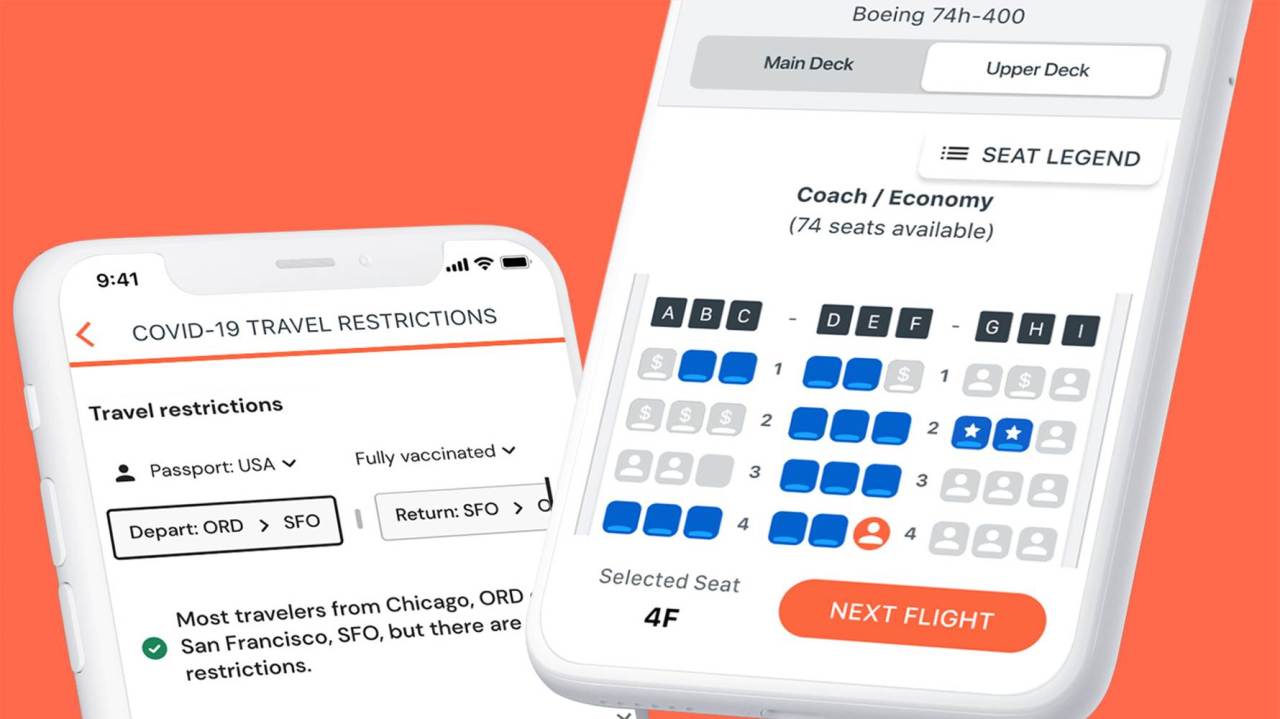
1. Flight seat selection: Delivering a seamless booking experience, bookable seats for all Sabre and Amadeus flights are displayed on a map, with clear signposting of fare type and cabin class. Post booking, business travelers’ seat bookings are immediately displayed within their myCWT trip itinerary.
2. Hotel office location search: Employees can identify and book hotels close by to their or the client’s office location they are visiting. Conveniently displayed on a map within a 10-mile proximity, travelers can also specify hotel proximities to specified landmarks or airports.
3. One-click access to CWT Travel Essentials: Available through myCWT mobile when booking flights, travelers can easily access up-to-the minute accurate COVID-19 guidelines and restrictions related to their trip through myCWT, to help understand risks and restrictions ahead of, during and after business trips.
4. Enhanced trip disruption customer support: When a traveler receives an alert notification, such as a cancelled flight, they can click to call or message a counselor. With pre-populated trip alert notifications linked to messenger, counselors can quickly respond to individual travelers’ making it even easier for travelers to connect with a CWT counselor during a trip disruption.
5. Messaging expansion: Available on myCWT mobile and web, Microsoft Teams and Facebook Workplace, CWT’s 24/7, follow-the-sun messaging offering is available in over 113 countries, with over 1,000 corporations now using the service.
“Over the last year, CWT accelerated strategic development plans across our innovative products, program delivery and travel services. As the recovery in business travel, meetings and events gains momentum, we are doubling-down on cadence and investment into product, service and overall user experience enhancements to ensure we’re offering a digital experience that is second to none”, said Erica Antony, CWT’s Chief Product Officer.
CWT is a leading global partner in business travel, meetings, and events. Operating across six continents, we deliver sustainable, tailored solutions that help organizations connect, engage, and thrive in an evolving world. Our myCWT platform integrates advanced technology with human expertise to simplify travel and enhance traveler and attendee experiences. Extensive global coverage, seamless data integration, AI-driven analytics, and carbon-conscious travel tools enable businesses to optimize their travel and meetings programs while delivering measurable value.
With 150 years of industry experience and a deep commitment to partnership, CWT collaborates with clients to shape the future of business travel and events, making them more efficient, responsible, and impactful.
-

6 questions for Richard Johnson, Senior Director, CWT Solutions Group
Richard Johnson leads CWT Solutions Group globally. His team is responsible for providing highly customized consulting services to our customers, helping them enjoy the best possible value for their investment in travel.
Richard has been at CWT for just over four and a half years. He joined in Sydney and initially led Solutions Group for the APAC region, based in Australia and then Singapore. He relocated back to the UK to lead EMEA in late 2018 and then, when the pandemic hit in 2020, took on global responsibility. Richard has over ten years in corporate travel consulting and payments. We talk to Rich about his motivations, sustainability and the future of business travel.
Who or what motivates you in your daily life and career?
My dad is my motivation. He passed away a few years ago after a sudden, short illness and I miss him every day. He worked two jobs for most of his life to give me the opportunities and things he never had, and he inspires me to aim high for myself and help anyone I can to do the same. I try to behave in a way that would have made him proud.
What is an important lesson that you have learned at work?
Patience is an important part of being successful, but don’t let yourself fall into a rut. Be assertive putting yourself forward for opportunities to progress or develop and don’t be afraid of the experience of being uncomfortable to begin with.
Where do you see the business travel industry going from a sustainability standpoint?
The sustainability movement has tremendous momentum and I think this will act as the catalyst for innovation within the industry. I think we’ll see widespread, greener options as things like sustainable aviation fuel (SAF) become more common. Better availability of high-quality information and established, common standards will drive good decision making before, during and after trips. This will also enable companies to target sustainability for all aspects of their travel – air, accommodation, car rental, taxis and last mile travel.
Virtual alternatives will remain and I would expect them to become more immersive and inclusive as technology evolves. This could allow organisations to be very precise in their segmentation of permissible and non-essential travel, meaning that travel dollars will be spent more carefully but will also be used in the most sustainable way.
What is the single most important step that corporates need to make towards a more sustainable travel program?
It’s critical to understand that true sustainability is achieved by balancing employee wellbeing, climate protection and organisational (financial) outcomes and then, set target-based objectives that identify what success will look like in these areas.
What do you do to reduce your personal carbon footprint?
I drive a plug-in hybrid car and my family recycles as much as possible.
How do you unwind?
I’m very aware of the importance of physical health and how it goes hand-in-hand with our mental wellbeing. So, I go to the gym 4-5 times a week and play football (soccer) twice a week to unwind and keep my energy levels up.
-
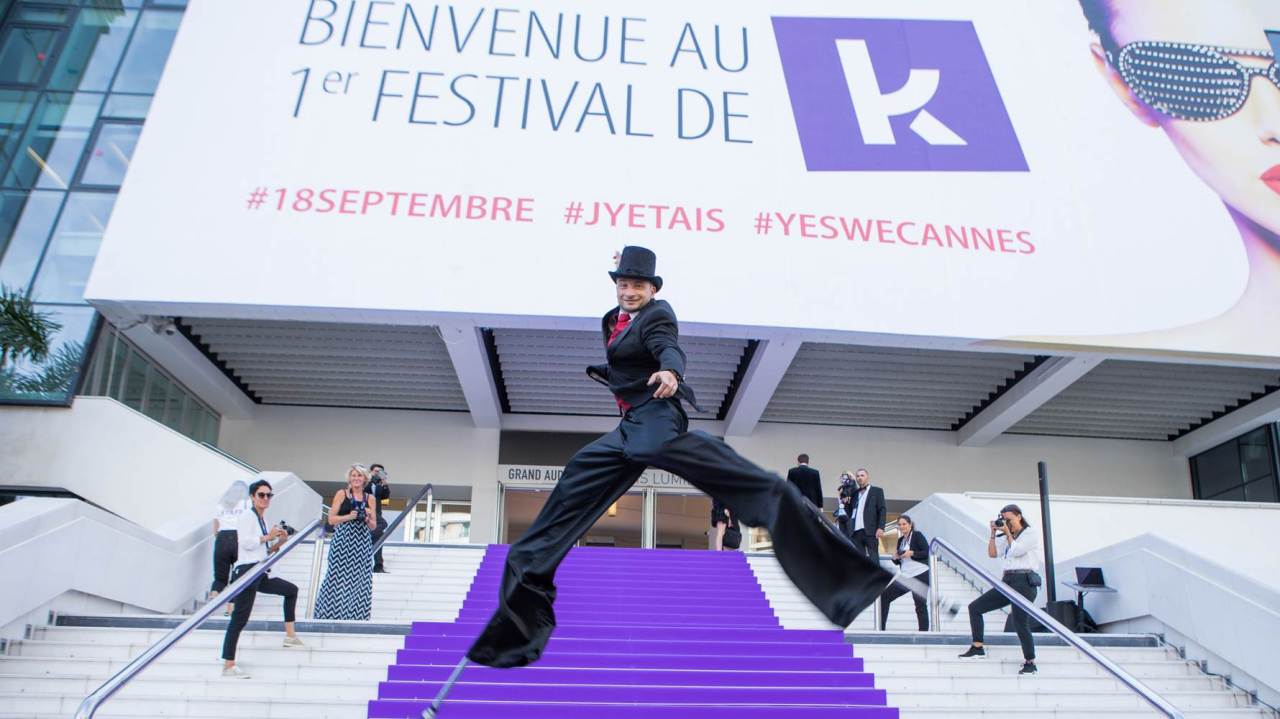
‘Cannes’ we do it? Yes we can!
The days and weeks leading up to an event can sometimes be a little stressful. Even though everything has been planned down to the last detail, you always have to be prepared for the unexpected. Last-minute hiccups are almost inevitable. But what do you do when a hiccup almost becomes a catastrophe and a large-scale event organized abroad cannot take place due to COVID regulations and measures in place?
The CWT Meetings & Events team in France recently faced this challenge. When all was prepared and arranged for an event for client Koesio, restrictions were tightened and traveling abroad was no longer allowed, only 20 days before the kick off. The original event plan was to have all 2,000 employees from all over France travel to Marrakesh for the weekend to celebrate the launch of their new brand identity on Saturday evening followed by an all-night party in the desert.
After the initial disappointment, Koesio expressed that they still wanted the event to take place and requested an alternative program in France itself. The CWT Meetings & Events team was happy to take on this challenge and committed themselves fully to meet the client’s request. Together with the client we worked as one unique team and put our creativity, flexibility and professionalism in place to come up with an extraordinary and worthy alternative.
France is known for its beautiful locations and venues and nothing captures the glitz and glamour like the mythical setting of Cannes, with exceptional sunny beaches, a varied range of quality hotels and excellent restaurants – so ideally suited to host an event on that scale. The new destination selected, and arrangements made for travel to Cannes, there was great relief and joy that the event would go ahead and attendees able to reconnect in person.
It took 7 charter flights, 36 coaches, 32 hotels near the Palais des Festivals, and 18 tour leaders to guide all participants to the designated location. Over 2,000 employees were treated to a variety of festivities in glamorous Cannes, from a plenary session on the famous stage of the Cannes Festival to reveal the new brand name and a sunset beach party, to a performance by the famous band Black Eyed Peas.
What an adventure it was! Keeping calm during the ultimate cancellation and remaining 100% efficient planning the event in France, while keeping the same high standards working together with the client and suppliers. It proves that anything is possible.
It was a fantastic and very successful weekend that will be remembered for a very long time.
Visit CWT Meetings & Events
-

Wheels in motion: 3 trends shaping ground travel and pricing in 2022
Corporate demand is returning and with it a boost in demand for air travel, according to the GBTA CWT Global Business Travel Forecast 2022. Where there’s demand for flying, there’s demand for car hire, set to increase 3.9% per cent globally in 2022.
As travel picks up, fleet challenges and alternatives to car hire will put ground transportation considerations at the top of the list of priorities for travel buyers. Here are three trends to note when building and budget your program.
Ground transportation is no longer an afterthought
Historically, ground transportation hasn’t been as critical to travel policy planning as air travel and hotel stays. That’s set to change and corporates should consider reviewing the ground transportation aspect of their travel policy. New challenges in supply and demand dynamics in the car rental sector mean that travel managers should explore whether they are physically able to provide business travelers with a vehicle at their location, and whether they need to add a secondary provider to support growing demand, along with encouraging travelers to book early and cancel in a timely manner. Travel policies may need to adjust accordingly to reflect these issues as well as hygiene measures that are expected to continue throughout 2022.
Fleet challenges set to continue
In the early months of the pandemic, car rental services saw demand decline and many rental agencies right-sized their inventory to align with demand. As demand rose, at first driven by revitalized domestic tourism and late by an uptick in regional tourism, car rental services were challenged to boost their fleet. Supply chain shortages that limited vehicle production have made it difficult for rental agencies to increase their fleet sizes which has exacerbated this supply-demand mismatch.
Looking forward, rental fleet sizes are likely to remain constrained. This impact will likely be most pronounced in leisure destinations, first-tier destinations, as well as destinations with poor public transportation alternatives.
Will the engines come off the ‘final mile’?
There is much discussion about how travelers are making the so-called ‘final mile’ from the terminal or station to their meeting location or hotel. California air quality officials last year claimed more than 600,000 ride-hail vehicles emitted about 50% more greenhouse gases per passenger mile than an average car. In addition, travelers have experienced increased prices as driver shortages have reduced availability. Bids to encourage sharing journeys and getting more people into fewer cars have yet to materialize. As a result, there has been an increase in micro-mobility options to accommodate these final mile journeys, such as city bike rentals as seen in Paris and London along with the trialing of e-scooters. Such solutions aren’t currently incorporated into travel policies but the broadening options and encouragement from governments to walk and cycle throughout the pandemic will usher in a shift in how ‘the final mile’ is taken in the future.